
Storing nuts sounds simple… until you actually try keeping them fresh for more than a few weeks.
I used to buy big bags of almonds, walnuts, cashews, pistachios, pecans — mostly because the bulk aisle always looks like a good deal — and then half the bag would turn soft, oily, or lose flavor fast.
Nuts go stale quicker than people realize.
Some even develop that weird bitter smell if you don’t handle them right.
So I started paying attention to how nuts behave when exposed to air, heat, light, and moisture — and once I understood that balance, I finally started storing them the way they actually deserve.
Now my nuts stay flavorful, crunchy, fresh, and “new-tasting” for months instead of weeks.
These are the 8 methods I use all the time at home, and every single one works whether you store nuts for snacking, baking, trail mixes, smoothies, high-protein recipes, meal prep, or making your own nut butters.
Let me break down what I actually do at home when I want nuts to stay good for a long time.
1. I Always Move Nuts Out of Their Store Packaging and Into Airtight Containers
This is the first thing I do every single time. The packaging nuts come in — even the resealable ones — never block enough airflow.
And nuts hate airflow.
A tiny leak is enough for them to lose crunch or taste slightly stale.
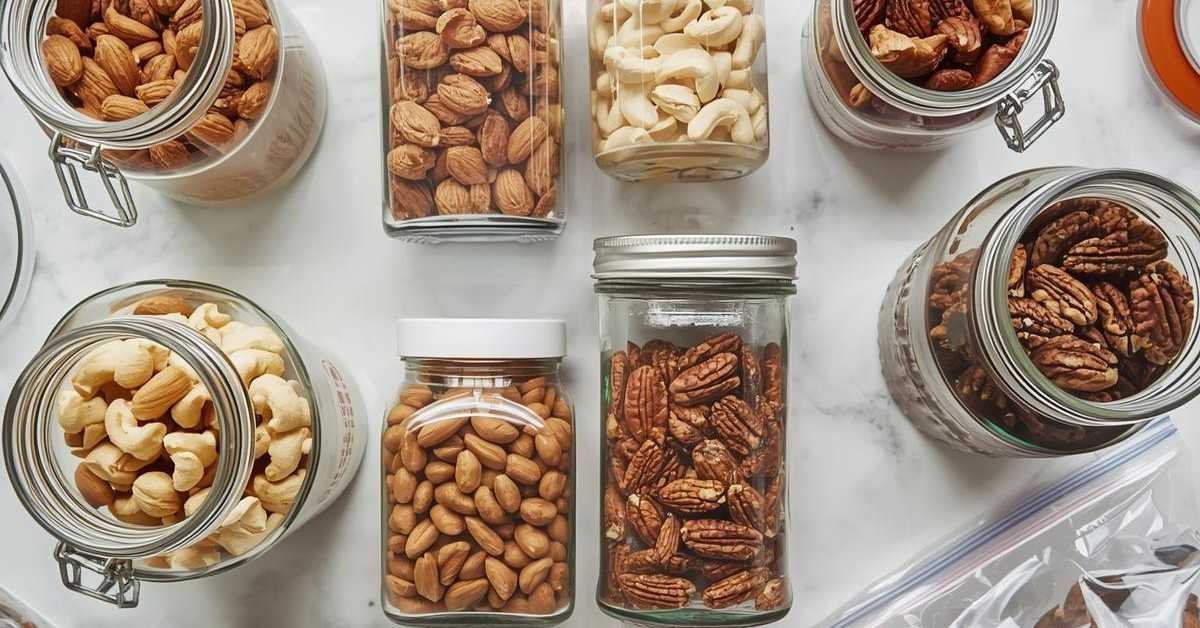
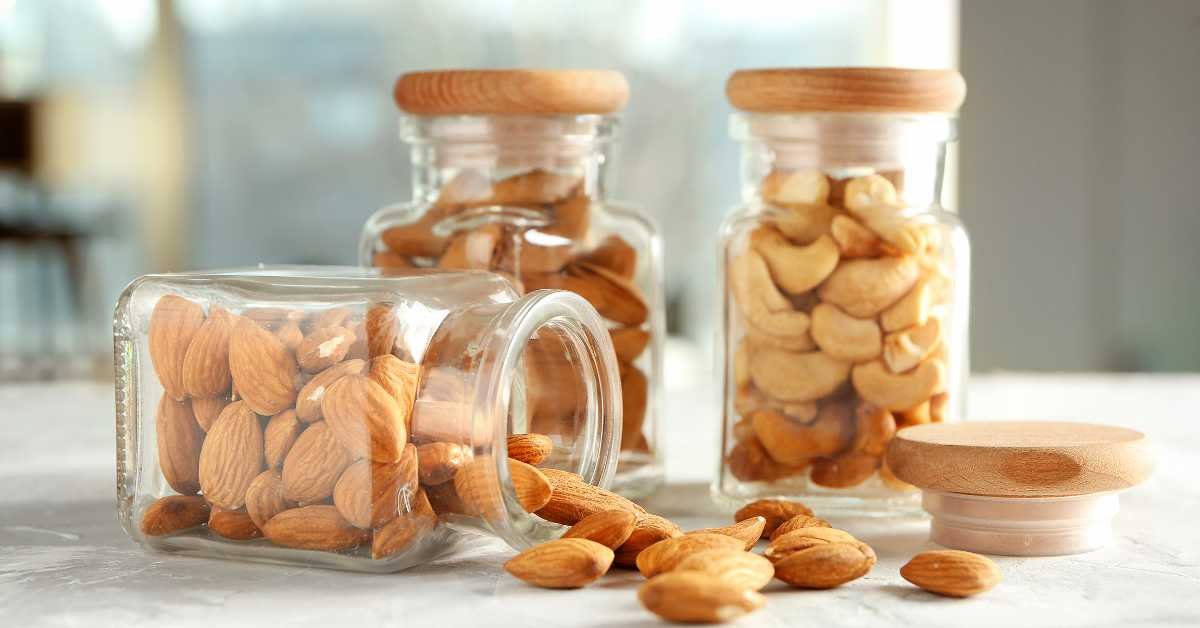
So when I get home, I pour them into airtight food storage jars, glass jars with silicone seals, or premium pantry containers that actually close properly.
Why do I bother doing this
- Air exposure is the fastest way for nuts to go stale
- Flavor fades quicker when oxygen hits the oils
- Resealable bags are never fully sealed
- Pantry humidity sneaks into cheap packaging
- Your house temperature affects taste a lot
Nuts behave surprisingly similarly to bread and tortillas when exposed to air — they lose moisture balance and go from crunchy to dull very fast.
That’s why I also use the same airflow logic I mentioned when keeping tortillas soft in my other posts.
What works best for me
- Airtight glass pantry jars
- Vacuum-sealed mini containers
- Stainless steel food-safe jars
If you keep even one type of nut in the wrong packaging, you’ll notice it loses its snap faster than all the others.
So switching the container is the first real upgrade.
2. I Refrigerate or Freeze Nuts for Long-Term Storage (This Boosts Freshness a LOT)
People forget nuts are basically tiny pockets of oil. And oil doesn’t like heat. Even room temperature can slowly change the flavor.
This is why nuts stored in the freezer honestly taste fresher than the ones you keep in the pantry.
When I refrigerate nuts
- When I know I’ll use them within 2–3 months
- Almonds, cashews, pistachios, pecans — all taste great from the fridge
- Nuts I snack on often, because cold storage doesn’t affect crunch
When I freeze nuts
- When I buy a huge bulk bag
- When I bake only occasionally
- When I want nuts to stay fresh for 6 months to a year
How I freeze them
I put nuts inside premium freezer-safe bags or airtight freezer containers, press the air out gently, and freeze them flat so they don’t clump.
Why this helps
Cold temperatures slow oxidation dramatically.
And oxidation = stale nuts.
This is basically the same idea I use in some of my other storage guides, like when keeping berries from molding or when freezing milk without ruining texture in smart ways to freeze milk without ruining the texture. Cold doesn’t ruin nuts — heat does.
3. I Always Separate Raw Nuts, Roasted Nuts, and Salted Nuts
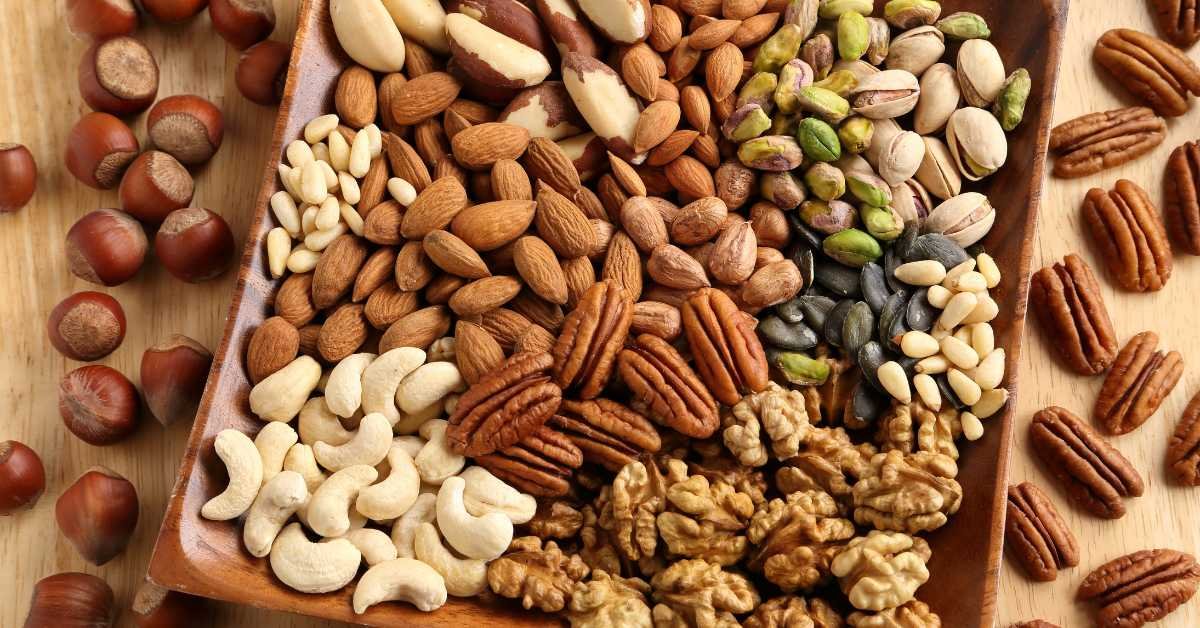
Mixing different nut types in one container looks cute, but it ruins freshness faster than anything.
Salted nuts pull moisture differently. Roasted nuts oxidize quickly. Raw nuts stay stable longer.
So now I store each category separately:
- Raw nuts in airtight jars
- Roasted nuts in vacuum-sealed bags
- Salted nuts in moisture-controlled containers
Why separating them matters
- Mixed textures affect each other
- Salted nuts absorb humidity faster
- Roasted nuts transfer aroma to raw nuts
- Nut oils behave differently depending on roasting
This single habit lets me keep nuts fresh way longer.
If you store everything mixed, the softest nut or the one with the highest oil content will drag everything down.
4. I Use Vacuum-Sealed Containers for High-Fat Nuts
Nuts like walnuts, pecans, pine nuts, pistachios, and macadamias contain more oils than the rest.
And these oils turn rancid quickly because they react with oxygen faster.
So for these, I use small vacuum-sealed food storage containers or vacuum zipper bags with a hand pump.
Why vacuum storage works perfectly
- Slows oxidation
- Keeps the oils stable
- Reduces flavor loss
- Maintains crunch
- Blocks pantry odors
Walnuts especially change flavor super fast if stored incorrectly. If you taste bitterness early, that means oxygen has already gotten to them.
Vacuum-sealing easily doubles their life. And this trick works even better when combined with refrigeration.
5. I Always Keep Nuts Away From Heat, Light, and Strong-Smelling Foods
Heat ruins nuts.
Light ruins nuts.
And strong odors? Nuts will absorb them very quickly.
So the place you store nuts in your pantry genuinely matters.
My rules
- Never store nuts above appliances
- Never near sunlight
- Never near onions, garlic, spices
- Never near warm pantry corners
- Always keep them in opaque or tinted jars if they’re exposed to light
Why I’m strict about this
Nuts behave like tiny sponges.
They absorb every smell around them — especially raw nuts. And once the flavor shifts, you can’t fix it.
Light also speeds up oxidation, which destroys the natural oils. That’s why many nuts come in darker packaging — light breaks them down.
This is the same thing you see in produce like apples or berries, where the environment affects freshness heavily.
6. I Only Buy Nuts in Smaller Batches Unless the Deal Is Too Good to Skip
This isn’t a “storage method,” but it directly affects freshness. Buying huge amounts of nuts and leaving them open for months is exactly how they start tasting flat, lose crunch, or become bitter.
So what I do is:
- Buy small pantry batches for weekly use
- Buy larger bulk bags only when I freeze them immediately
- Open only one bag at a time
Why it works
Every time you open a bag, oxygen enters.
And every time oxygen enters, the freshness clock restarts.
So even if there’s a great sale or huge bulk deal, I divide the nuts into smaller airtight pantry jars right away so each batch stays fresh.
This is also the same exact way I handle tortillas, lettuce, berries, etc. You never let the whole pack sit open. Same logic.
7. I Add a Silica Packet or Drying Disc to Nuts That Hate Humidity
Humidity destroys nuts shockingly fast, especially:
- peanuts
- cashews
- pistachios
- almonds
If the pantry air is humid, nuts soften quickly and lose that crisp snap.
So I use food-safe silica packets or ceramic moisture-absorbing discs inside the container.
Why this helps
- Keeps nuts crunchy
- Stops mold growth
- Prevents softening
- Extends shelf life
A tiny silica packet has saved me from tossing countless batches of nuts.
It’s the cheapest and easiest “safety net” for long-term storage.
8. I Rotate My Nut Supply and Use Older Nuts First
Because nuts behave differently depending on their natural oil content, freshness doesn’t stay equal forever. Rotating them makes a big difference.
My rotation rule
- Label jars or bags with dates
- Keep older nuts in the front
- Freeze anything I won’t use soon
- Always finish roasted nuts first
Why this matters
Freshness fades gradually.
The older the nut, the more exposure to air it has had.
Rotation keeps everything moving, so nothing sits too long.
And honestly, once you get into the rhythm of rotating nuts and storing them in airtight containers, freshness problems almost disappear.
Extra Tips That Help Long-Term Freshness
These aren’t part of the main 8, but they help a lot:
I grind nuts only when I need them
Ground nuts turn rancid fastest.
I store homemade nut mixes in small jars
Mixed nuts go stale faster unless portioned tightly.
I avoid plastic containers for long-term nut storage
Glass or metal is way better for protecting oils.
I keep nuts near eye level in the pantry
If you forget them, they go stale. Simple but true.
I re-toast slightly stale nuts before tossing
A quick warm-up can revive flavor unless they’re rancid.
I protect nuts the same way I protect berries and apples
The environment shapes freshness more than anything else.
How I Decide Which Nut Storage Method to Use
Because every nut behaves differently, here’s how I choose:
- If the nuts are raw: Airtight pantry container OR fridge storage
- If they’re roasted: Airtight + vacuum-sealed if possible
- If I buy in bulk: Freeze half immediately
- If humidity is high: Add silica packets + airtight jar
- If nuts turn slightly soft: Toast lightly to refresh
- If I need nuts for baking soon: Refrigerate for best flavor
Once you understand oxygen, heat, and humidity control, storing nuts becomes ridiculously easy.
Conclusion
After messing up so many bags of nuts, these are the only eight habits that actually keep them tasting fresh, crunchy, and full of flavor for months instead of weeks.
Once I switched to airtight glass jars, separated raw from roasted, kept high-fat nuts in vacuum storage, and used the fridge or freezer whenever the stash got too big… everything changed.
Nuts stopped turning bitter, they stopped softening from humidity, and I didn’t have to toss half a bag anymore.
And, once you get the hang of controlling airflow, moisture, heat, and light, nuts behave exactly how you want them to — stable, long-lasting, and perfect for snacking, baking, or adding to meals whenever you need them.
FAQs
How long can nuts stay fresh when stored correctly?
Raw nuts usually stay fresh for 3–6 months in the pantry, up to a year in the fridge, and even longer in the freezer.
Roasted nuts lose freshness faster, so I keep those airtight and use them within a couple of months unless frozen.
How do I know if nuts have gone rancid?
Rancid nuts smell bitter, sour, or slightly like oil paint. The taste becomes sharp and unpleasant.
Once the oils oxidize, there’s no fixing them — I toss them immediately.
Is freezing nuts better than refrigerating them?
Yes, for long-term freshness. Freezing slows oxidation the most, which protects the natural oils better than pantry or fridge storage.
Nuts thaw instantly, too, so the texture doesn’t change at all.

I’m a self-taught home cook who turns everyday ingredients into comforting, café-style recipes. I test everything in my own kitchen (sometimes more than once), tweak flavors how I like them, and share only what I actually enjoy.
Most of my recipes are chocolate-based or have a creative twist, and I keep them preservative-free, beginner-friendly, and fun to make.
If you love cozy drinks, healthier desserts, or bold flavor combos — you’re in the right place. [Read full story]