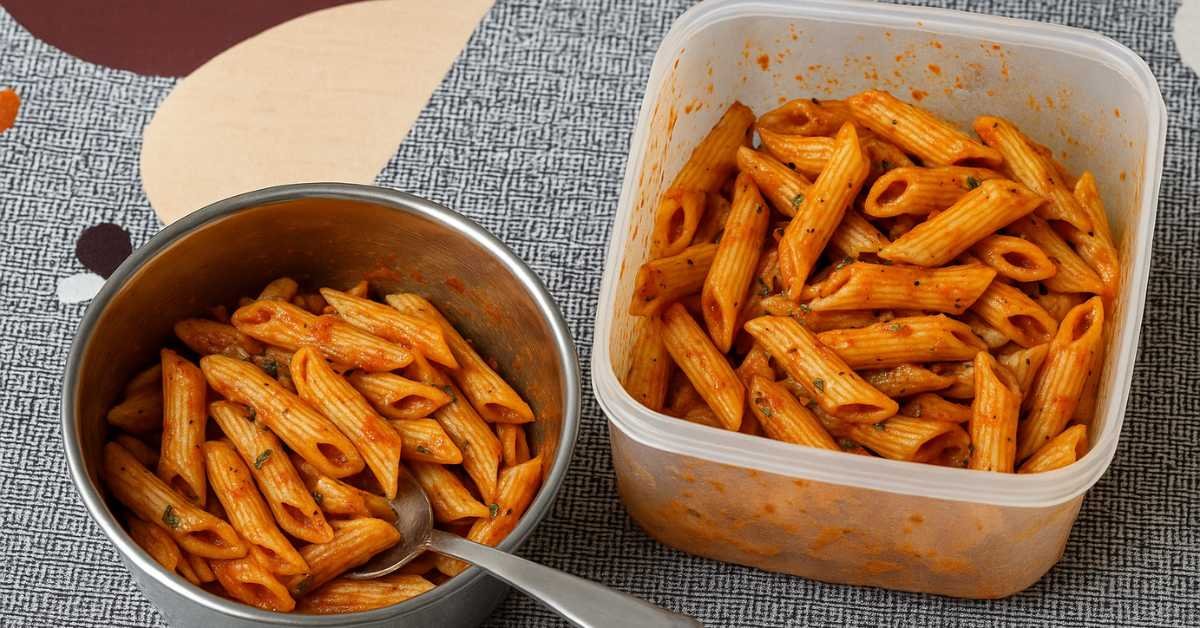
Leftover pasta is tricky. It either turns stiff, clumps together, tastes dull, or absorbs every drop of sauce until it becomes one giant pasta brick.
I’ve ruined enough batches to finally get tired of it, and that’s when I started paying attention to a few simple but very effective small moves that keep my leftover pasta soft, moist, and close to a freshly cooked texture.
These small habits also help a lot when meal prepping, trying to save money on groceries, and avoiding unnecessary food waste — especially when dealing with high-cost ingredients, dairy-based sauces, or those premium pasta brands that you don’t want to throw away.
Now let’s talk about pasta — and exactly what I do so it doesn’t feel like reheating cardboard.
1. Always Coat Leftover Pasta with a Little Oil or Sauce Before Storing it
This is the number one rule that made the biggest difference for me.
Pasta dries out when its surface is exposed to air and when the starches tighten as it cools.
When you coat it with a thin layer of olive oil, a spoon of leftover sauce, or even a splash of butter, you stop that tightness from happening.
What I usually do:
- Toss the pasta with 1–2 teaspoons of olive oil while it’s still warm
- Or mix in 2–3 tablespoons of leftover sauce—tomato, Alfredo, pesto, anything
- Store it immediately in an airtight container
Why this works:
That thin layer prevents the strands from sticking to each other, and it keeps moisture locked in. The texture stays soft instead of stiff.
This also works for all types of pasta — spaghetti, penne, rigatoni, macaroni, even gnocchi.
This trick is very similar to how I keep other moisture-sensitive foods fresh, like apples or berries: Clever ideas that keep cut apples fresh for longer.
2. Add a Splash of Water, Milk, or Broth when reheating
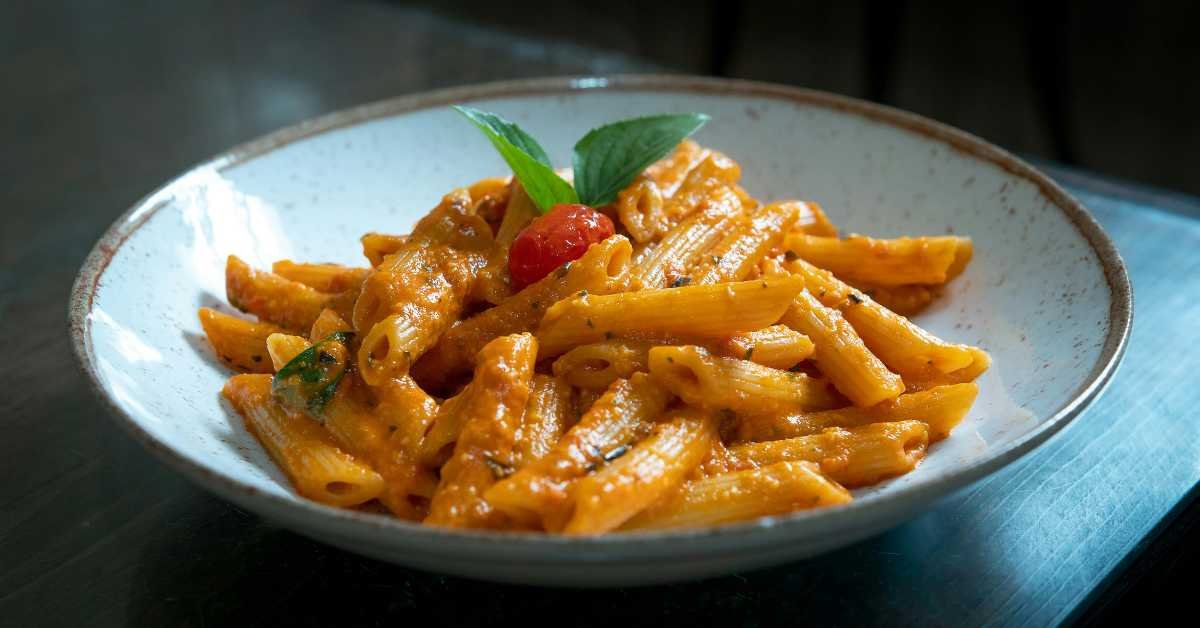
When you reheat pasta without liquid, you’re basically dehydrating it more.
I used to microwave my pasta straight from the fridge, and it always came out dry, chewy, or rubber-like.
Now I do this:
- Add 1–2 tablespoons of water for tomato-based pasta
- Add 1–2 tablespoons of milk for creamy sauces
- Add 1–2 tablespoons of vegetable or chicken broth if the pasta tastes dry
This replaces the moisture the pasta lost overnight and makes reheating smoother.
And if you’re reheating Alfredo or any dairy-heavy pasta? Adding milk is essential. It instantly brings back the creamy texture.
Why this matters:
Moisture acts like insurance — it rehydrates the pasta and helps the sauce emulsify again.
3. Reheat Pasta Slowly (the method matters more than people think)
I stopped blasting leftover pasta on high in the microwave. That just ruins everything.
Slow reheating keeps the moisture intact.
Here’s how I reheat properly:
Microwave (best for speed)
- Put pasta in a microwave-safe bowl
- Add 1–2 tablespoons of liquid
- Cover with a plate or microwave lid
- Heat for 45 seconds
- Stir
- Heat for 20–30 more seconds
Covering the bowl traps steam, which keeps the pasta soft and stops it from turning stiff.
Stovetop (best for texture)
- Add pasta to a pan
- Pour in 2–4 tablespoons of water, broth, or milk
- Heat on low
- Stir gently until warm
This method gives the “freshly-cooked” vibe.
Oven (great for baked pasta)
- Preheat to 300°F–325°F
- Add pasta to a baking dish
- Splash in 1–3 tablespoons of water or milk
- Cover tightly with foil
- Bake 10–15 minutes
The foil traps moisture, letting the pasta steam gently.
4. Store Pasta and Sauce Together or Separately Depending on the Dish
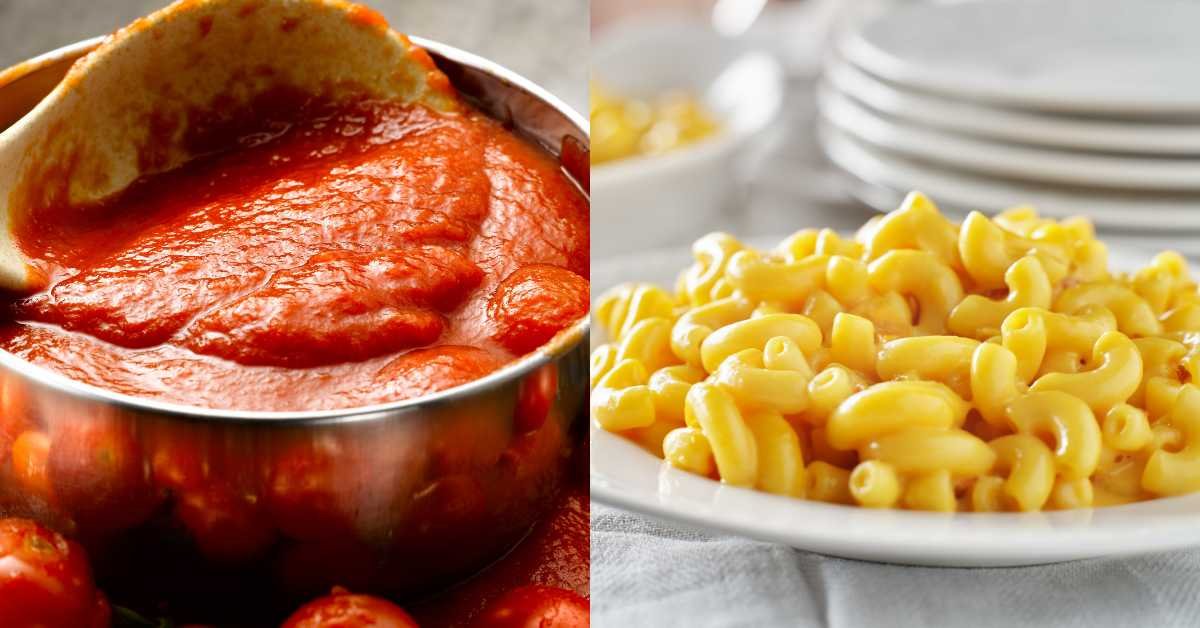
This part made a huge difference for me. How you store pasta depends on the type of sauce you’re using.
Tomato-based sauces:
Store pasta and sauce together.
Tomato sauce keeps pasta moist and prevents clumping.
Creamy sauces (Alfredo, cheese sauce, carbonara):
Store pasta separately if possible.
Dairy thickens in the fridge and becomes grainy when reheated. If pasta sits in it overnight, the sauce turns sticky and dry.
Pesto:
Store together, but add extra olive oil before refrigerating.
Pesto darkens and clings too tightly otherwise.
Plain pasta:
Store it lightly coated with olive oil or butter.
Why this works:
Pasta absorbs whatever liquid is around it. When stored smartly, it absorbs moisture instead of losing it.
And if you’re storing herbs too (to sprinkle over pasta), here’s something helpful: Easy tips to keep herbs fresh for nearly two weeks.
5. Use Airtight Containers that Don’t Let Moisture Escape
I learned quickly that storing pasta in any random container will make it dry out by the next morning.
Pasta needs to stay sealed away from airflow.
The best containers I’ve used:
- Silicone airtight bags
- Glass meal-prep containers
- BPA-free airtight plastic containers
Here’s why it matters:
Even slight airflow removes moisture from the surface of the pasta. That’s how it turns stiff and chalky.
Tip:
Use containers that fit the pasta snugly. Too much empty space inside dries it faster because the excess air absorbs moisture.
This rule is the same for keeping bread soft for days: Clever fixes to help bread stay soft for days.
6. Don’t refrigerate pasta immediately — let it cool for a few minutes
Putting steaming-hot pasta straight in the fridge creates condensation.
That moisture pools at the bottom of the container and makes your pasta soggy in some parts and dry in others.
Here’s what I do instead:
- Spread the leftover pasta on a wide plate
- Let it cool for 5 minutes (not more)
- Then transfer it into an airtight container
- Add oil or sauce if needed
- Seal and refrigerate
Why this helps:
The brief cooling time allows steam to escape. Not cooling at all traps steam; cooling too long dries it. That 5-minute window is the sweet spot.
Extra Tips I Use to Keep Pasta Soft, Fluffy, and Not-Clumpy
Cook pasta 1–2 minutes less if you know you’ll store it
If you’re meal-prepping or planning leftovers, cook pasta only to al dente.
It finishes cooking when reheated and stays firmer, not mushy.
Use a little reserved pasta water when reheating
If you saved any from the original cooking, it’s like magic glue for sauce and texture. It restores silkiness instantly.
Creamy pastas need fat added back in
When reheating Alfredo or cheese sauces, add:
- A splash of milk
- A teaspoon of butter
- A bit of cream
This prevents graininess.
Frozen pasta should be reheated directly, not thawed
Thawed pasta turns wet and lifeless.
Straight-to-pan or straight-to-oven gives better results.
Label leftovers
I try not to keep pasta longer than 3 days.
After that, the texture changes too much.
Meal prep version
If making pasta for the week, store the sauce and pasta separately. Combine only before eating.
Conclusion
Whenever I store leftover pasta now, I don’t expect it to magically stay soft on its own.
Pasta always needs a tiny bit of help. And these small moves—coating it with something, adding moisture when reheating, storing it the right way, and not rushing the cooling—are exactly what keep it from turning stiff, dry, or clumpy the next day.
Once you get used to these habits, leftover pasta almost feels like a fresh batch again, especially when you reheat it slowly with the right liquid.
It also saves money, stops food waste, and makes meal prepping a lot easier.
Nothing fancy, just simple tricks that stop your pasta from becoming that sad, rubbery block in the fridge.
FAQs
Why does leftover pasta become dry or hard in the fridge?
Because the starches tighten and keep absorbing moisture as the pasta cools. Cold air also pulls water out from the surface.
Without oil, sauce, or proper storage, the pasta loses hydration and becomes stiff. A light coating and airtight storage fix most of that.
Should I store pasta with sauce or without sauce?
It depends on the sauce. Tomato-based sauces keep pasta soft, so storing them together is great.
But creamy sauces (Alfredo, cheese sauce, carbonara) thicken and dry out fast, so storing pasta and sauce separately gives better reheating results.
What’s the best way to reheat leftover pasta without drying it even more?
Add a splash of water, broth, or milk (depending on the sauce), cover the bowl, and heat it gently. In the microwave, heat in short intervals with the lid on.
On the stovetop, you have to warm up the pasta on the heat. Both methods help pasta reabsorb moisture and stay soft.
I’m a self-taught home cook who turns everyday ingredients into comforting, café-style recipes. I test everything in my own kitchen (sometimes more than once), tweak flavors how I like them, and share only what I actually enjoy.
Most of my recipes are chocolate-based or have a creative twist, and I keep them preservative-free, beginner-friendly, and fun to make.
If you love cozy drinks, healthier desserts, or bold flavor combos — you’re in the right place. [Read full story]