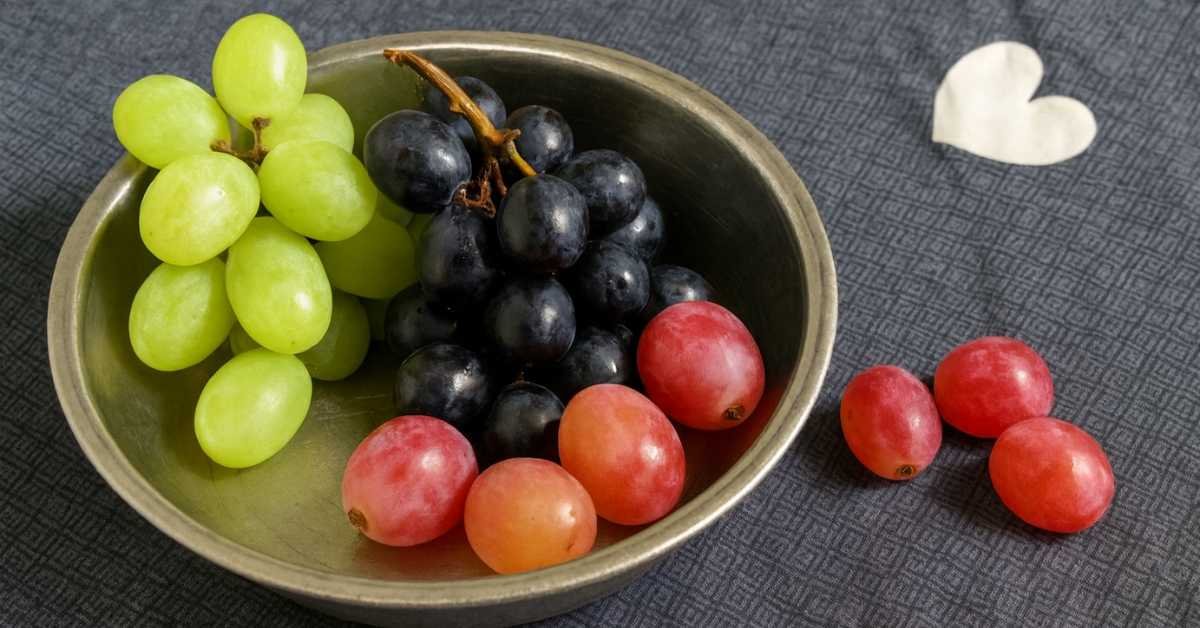
Freezing grapes sounds like a too-easy thing, but if you’ve ever ended up with a block of grape-ice glued together or a bag full of frosty, tasteless marbles, you would know there’s a right and wrong way to do it.
Grapes are delicate. They bruise fast, they get freezer burn quickly, and their skins react differently depending on the temperature and the type of freezer you’re using.
But once you get the hang of a few tiny habits, you can freeze grapes in a way where every single one tastes sweet, clean, crisp, and snack-ready — the kind you can eat straight from the freezer without feeling like you’re chewing ice shards.
Let me walk you through them the same way I do at home.
1. I Always Wash and Fully Dry the Grapes First — wet grapes freeze terribly
This is the most important part. If grapes go into the freezer even a little bit wet, you get:
- Thick icy shells
- Grapes stuck together
- Freezer burn patches
- A weird, cold-rubbery skin texture
So I rinse them under cold water first, remove any soft or wrinkled ones, and then I make sure they are completely dry before freezing.
My drying routine is simple:
- Spread them on a towel
- Pat gently
- Let them air-dry 15–20 minutes
- Check for hidden moisture around stems
Dry grapes freeze evenly and stay crisp instead of icy.
If you grow your own fruits or store harvests from balcony gardens, you know dryness is everything — the exact same principle I use when keeping herbs fresh for nearly two weeks.
2. I Remove Every Grape from the Stem — not optional if you want clean, snackable grapes
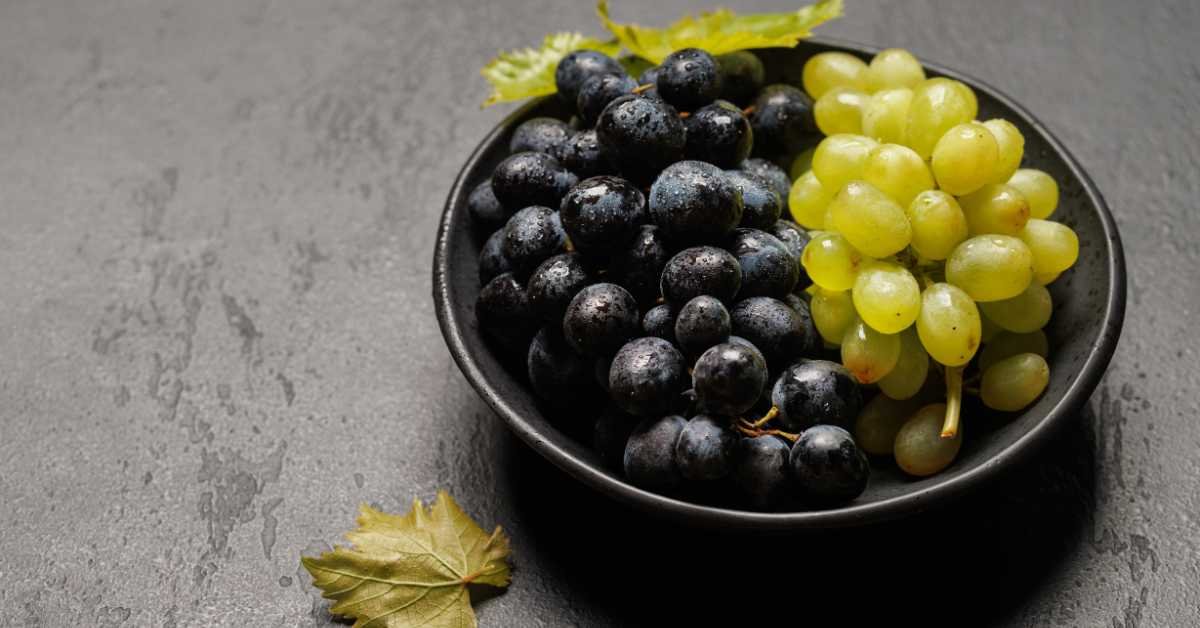
Freezing grapes on the stem might look cute, but it ruins the texture. The stem holds moisture, freezing pulls that moisture into the fruit, and thawing makes the skin collapse.
So I remove every grape individually.
Why de-stemming works better:
- grapes freeze faster
- no icy stem fragments
- smoother shape
- better flavor retention
- zero mushiness around the stem scar
I usually do this while watching something, and I only keep grapes that feel firm and plump. Anything with tiny cracks or bruises won’t freeze well.
This step also helps if you love portioning snacks into premium freezer-safe containers or meal-prep freezer bins, since individual grapes stack efficiently without creating air pockets.
3. I Flash-Freeze them on a Tray — never toss grapes straight into a bag
If you skip this step, you’ll end up with one giant grape-brick.
The way I do it:
- Line a baking sheet with parchment
- Spread the grapes in a single layer
- freeze 1–3 hours until solid
This keeps each grape separate, preventing clumping.
Flash-freezing also protects the skin from freezer damage because grapes freeze faster and cleaner when cold air touches every side equally.
This method works for almost anything you’re freezing — fruits, herbs, and cooked vegetables.
4. I Use Freezer-safe Airtight Bags or Containers — Regular Plastic doesn’t protect grapes
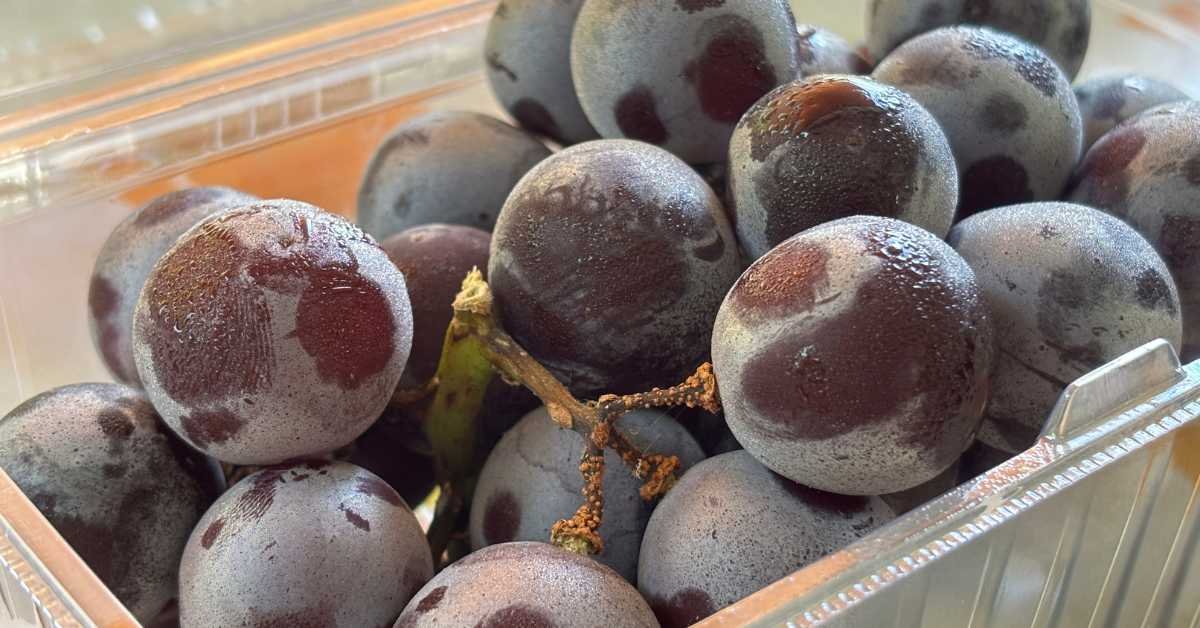
Regular containers or thin zip bags let in too much air. Air = freezer burn. Freezer burn = dry, frozen, flavorless grapes.
The things that actually protect grapes well are:
- Vacuum-seal freezer bags
- Premium airtight freezer containers
- Thick BPA-free freezer pouches
- Stackable freezer bins with gasket lids
These reduce oxygen exposure, keep texture intact, and maintain the sweetness of the grape.
Good storage also means your grapes won’t absorb odors from nearby foods — especially strong-smelling items like onions or cooked leftovers.
If you freeze snacks often or buy fruit in bulk, investing in high-quality food preservation tools or vacuum-seal systems makes a noticeable difference.
Plus, better containers make your freezer look organized instead of chaotic.
5. I Label Everything — frozen grapes look the same after a month
I used to think I’d remember the date. I never did. And grapes don’t look very different after freezing, so you can’t judge them visually.
Labeling matters because:
- Flavor is best within 6–8 months
- Older grapes lose sweetness
- It helps with rotation
- stops you from refreezing partially thawed fruit
- prevents waste when bulk-buying
I rotate my freezer the same way I rotate pantry items — oldest in front, newest in back. This tiny habit means nothing is forgotten for too long.
And labeling becomes even more helpful when you use multiple freezer containers or vacuum-sealed packs because everything starts to look identical.
6. I Freeze Grapes in Seasonal Flavors — not just plain
This is the part people never think about, but it makes frozen grapes way more fun.
I toss grapes lightly in different things depending on the season before flash-freezing:
Summer:
- Lemon zest
- A pinch of sea salt
- Freeze-dried berry dust
Fall:
- Cinnamon sugar
- Nutmeg
- Pumpkin spice
Winter:
- Cocoa powder
- Powdered sugar
- Chai spice
Spring:
- Mint sugar
- Coconut flakes
- Hibiscus powder
These coatings freeze beautifully and make grapes taste like little bite-size desserts.
If you want the lightest version, you can flavor them with just citrus zest or mint.
If you want higher-end snack vibes, dusting them in premium cocoa powder, organic fruit blends, or specialty spice mixes feels almost gourmet.
7. I Store Grapes in the Coldest Part of the Freezer — not the door
Just like the fridge door is the warmest section, the freezer door is the part that experiences the most temperature changes.
Frozen grapes soften and refreeze when exposed to fluctuations, and that creates ice crystals inside the grape’s flesh.
So I always store grapes:
- deep in the back
- in the lower center zone
- not near the door
- not near items releasing steam when freezing
Grapes love stable colds.
Stable cold = crisp, sweet, slushy-perfect frozen grapes.
If your freezer runs warm or is packed too tightly, consider using freezer organization bins, temperature-stable storage containers, or premium food preservation systems that maintain airflow.
People underestimate how much airflow matters.
Extra little habits that make frozen grapes even better
Here are some small things I do without thinking now, but they make a big difference long-term:
- I never refreeze thawed grapes
- I freeze different colors separately so flavors stay clean
- I portion grapes into small snack bags for easy grabbing
- I avoid freezing overripe grapes — they turn mushy
- I keep one “open snack” container and one long-term container
These aren’t part of the 7 ideas, but using them keeps every batch tasting fresh.
Conclusion
Freezing grapes the right way isn’t some big project — it’s just a handful of tiny choices that decide whether they turn out crunchy and sweet… or frosty and disappointing.
Once you start drying them properly, separating each grape, giving them that quick chill on a tray, and packing them into real freezer-safe containers that don’t leak air, you’ll notice how clean the texture stays.
Even months later, they’re still perfect little snack pieces you can grab straight from the freezer without dealing with giant ice lumps or dull flavor.
And using better gear — like vacuum-seal freezer bags or thicker airtight food-storage containers — just pushes the quality higher, especially if you freeze fruit often.
These small habits stack up, and suddenly frozen grapes become one of the easiest, no-waste snacks you can keep around all year.
FAQs
How long will frozen grapes stay crisp for snacking?
If sealed properly, it usually lasts for half a year or more. The colder the freezer and the tighter the seal, the longer they stay sweet and firm.
Thin bags lose quality fast, which is why freezer-grade containers or vacuum-seal systems keep that fresh bite longer.
Why do frozen grapes sometimes taste watery instead of sweet?
That usually happens when they are frozen, wet, or stored in containers that let in air. Extra moisture creates ice crystals, and airflow dries the grape from the inside.
Drying thoroughly and using real freezer-safe packaging solves almost all of this.
Can I freeze grapes that are a little soft already?
You can, but they won’t freeze into those crisp, candy-like snack bites. Soft grapes turn slushy in the freezer.
For best results, pick firm ones and save the softer grapes for smoothies or blending into frozen drinks.
I’m a self-taught home cook who turns everyday ingredients into comforting, café-style recipes. I test everything in my own kitchen (sometimes more than once), tweak flavors how I like them, and share only what I actually enjoy.
Most of my recipes are chocolate-based or have a creative twist, and I keep them preservative-free, beginner-friendly, and fun to make.
If you love cozy drinks, healthier desserts, or bold flavor combos — you’re in the right place. [Read full story]