Tomatoes can look perfectly fresh on the counter… and then suddenly lose their taste, turn grainy, or go dull after just a couple of days.
I’ve dealt with this so many times that I stopped buying big batches for a while. But later, once I understood how tomatoes actually behave — especially how temperature, moisture, and airflow affect their natural sugars — things changed completely.
Now I follow a handful of very simple, quick ideas that keep my tomatoes juicy, sweet, and full of flavor for days longer.
These aren’t complicated ideas. They take barely a minute. And once you start doing them, you’ll see the difference right away.
Let’s get straight into the tomato stuff.
1. Keep Tomatoes At Room Temperature — NOT In The Fridge
If you’ve ever thought why refrigerated tomatoes taste flat, it’s because cold temperatures shut down the enzymes that create sweetness and aroma.
Once those enzymes are damaged, tomatoes lose their bright flavor for good.
What I always do:
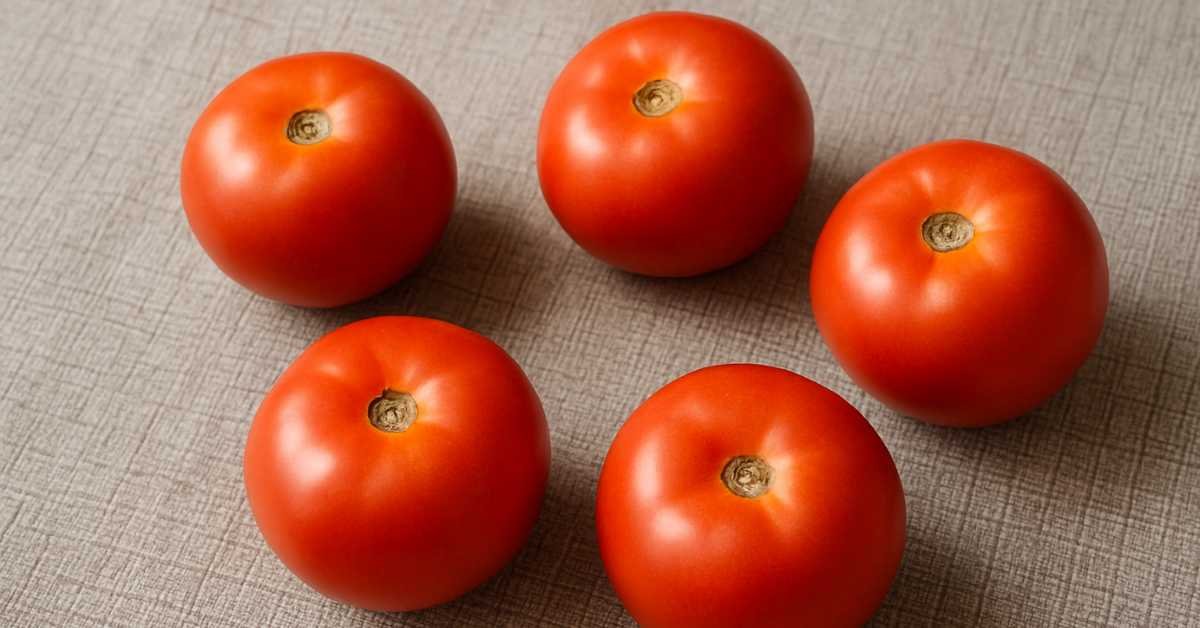
- Keep tomatoes on the counter, away from sunlight.
- Spread them out so they’re not touching.
- Keep them airy, never in a sealed plastic bag.
Why this works
Room temperature keeps their natural sugars active, which is exactly what maintains that classic tomato aroma and taste.
If you want to understand the same kind of temperature logic for other products, you’ll notice I apply something similar in my berry method, too.
Here is that guide: Simple Techniques That Extend The Life Of Fresh Berries
2. Store Them Stem-Side Down To Slow Moisture Loss
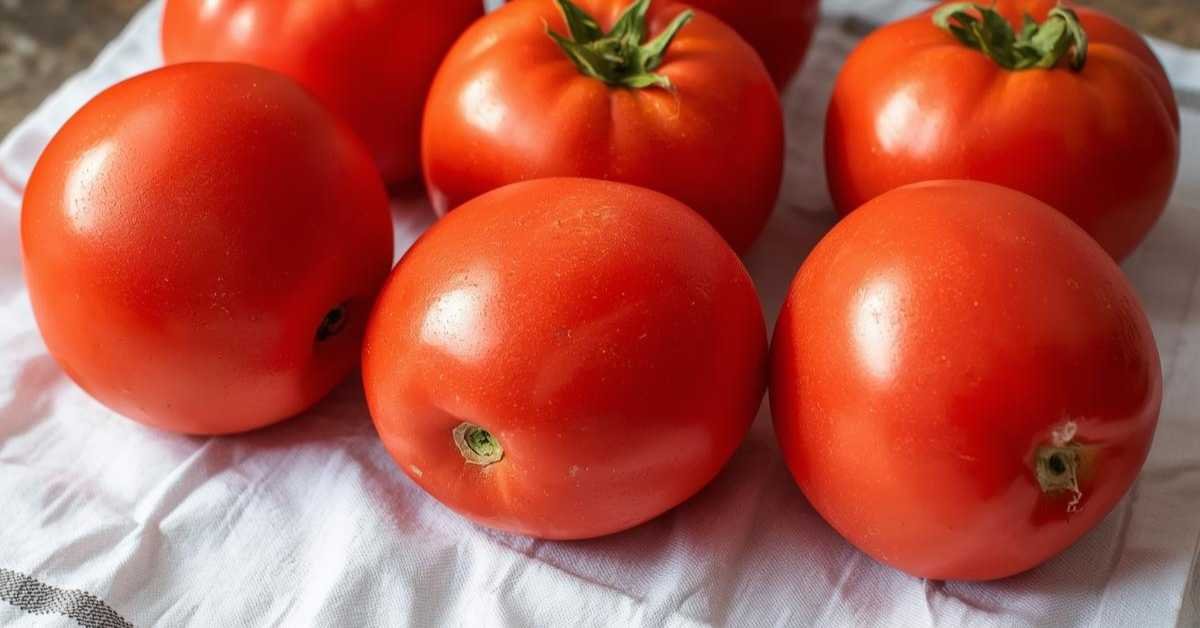
This trick changed everything for me.
The stem scar (the spot where the tomato was attached to the plant) is the place where tomatoes lose moisture the fastest.
When you place tomatoes stem-side up, that little open scar area is exposed to air → which leads to:
- Faster dehydration
- Wrinkling
- Flavor loss
What I do:
Flip the tomato so the stem side faces down.
This slows down moisture loss and helps keep the tomato plump for longer.
Extra tip
Place them on a clean cloth or paper towel to avoid rolling or bruising.
3. Don’t Stack Tomatoes — Keep Them In A Single Layer
Tomatoes bruise surprisingly easily. And any tiny bruise changes the entire flavor profile.
Once the tomato is bruised, the internal tissue starts breaking down, and that’s when the grainy texture shows up.
So I always:
- Keep tomatoes in one layer
- Leave space between them
- Never store them in bowls where they press against each other
If I ever see one tomato softening faster, I remove it immediately so it doesn’t affect the rest — same logic I use in my berry guide and apple freshness guide.
You can check the Apple guide if you want a similar spoilage-prevention approach: Clever Ideas That Keep Cut Apples Fresh For Longer
4. Keep Your Tomatoes Dry — Moisture Damages Flavor Fast
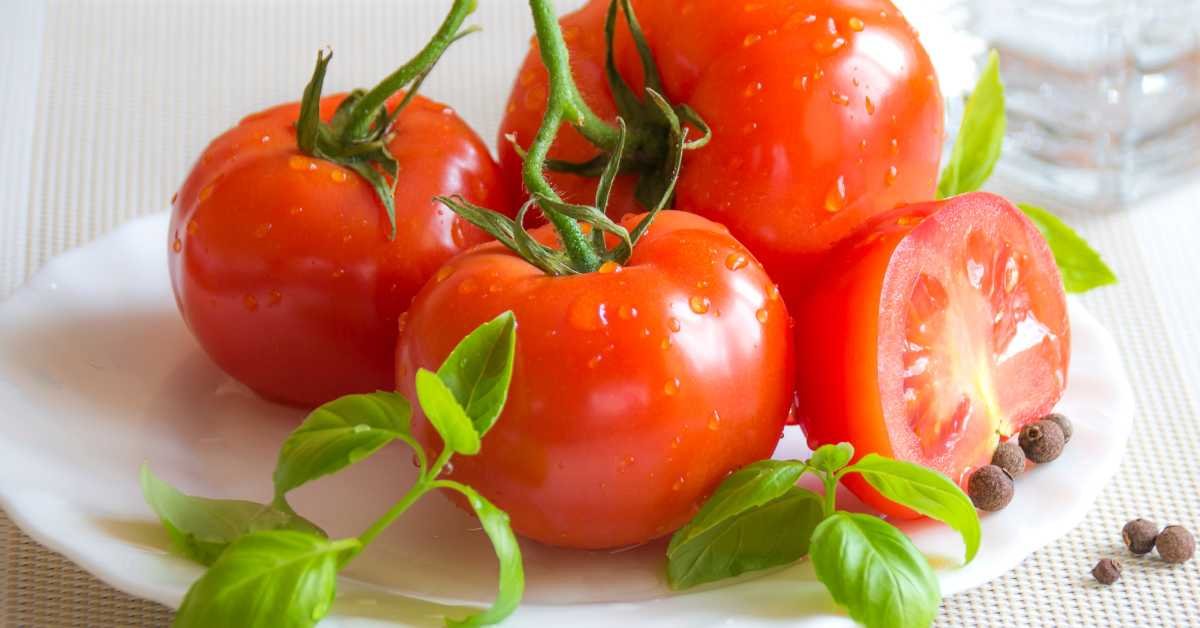
People underestimate what moisture does to tomatoes.
Condensation or even a small droplet of water sitting on the skin can make the tomato soften faster, as it increases microbial growth, and dull the sweetness.
What I do:
- Never wash tomatoes before storing
- Wipe them if they’re damp from the store
- Avoid keeping them near moisture-rich produce like berries or herbs
This one is especially important if you keep your tomatoes in a small kitchen or a humid area.
Also, if you often struggle with moisture problems in your fridge or counter, you might want to check how I control humidity with herbs — it applies perfectly to tomatoes too. Easy Tips To Keep Herbs Fresh For Nearly Two Weeks
5. For Overripe Tomatoes — Chill Them Only After They’re Fully Ripened
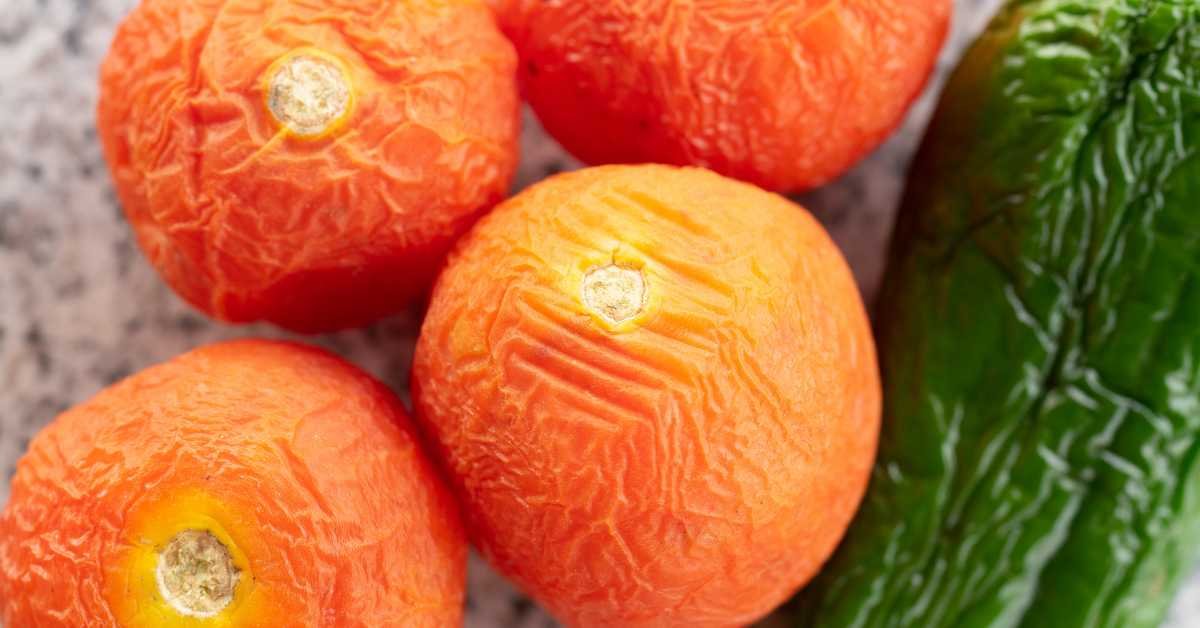
Here’s the part most people get wrong:
Fridges ruin the flavor of fresh tomatoes, but if your tomato is already soft and fully ripe, the fridge can actually help preserve it for a few extra days.
So here’s what I do:
- Let tomatoes ripen fully on the counter
- Once they’re soft and deep-colored, move them to the fridge
- Bring them back to room temperature before eating (this wakes up the aroma)
This keeps the flavor from disappearing and stops them from over-softening.
Why this works
Cold halts the overripening process, but starting the chilling too early destroys the flavor.
Timing is everything here.
Bonus Tips That Keep Tomatoes Flavorful Even Longer
Keep tomatoes away from bananas and apples
Those that release ethylene gas, which makes tomatoes soften too fast.
Avoid storing tomatoes in plastic bags
Plastic traps humidity → dulls flavor → leads to soft spots.
Use slightly older tomatoes for cooking
Overripe tomatoes are fantastic for:
- pasta sauces
- soups
- curries
- roasted tomato recipes
- salsa
They develop deeper umami when cooked.
Don’t store tomatoes near sunlight
Sunlight heats them unevenly and ruins the natural sweetness.
Check for tiny cracks
Tomatoes with very fine cracks spoil the fastest — use them first.
Conclusion
Tomatoes can lose their flavor faster than almost any ingredient in the kitchen, but once you fix the way you handle them — the temperature they sit in, how much pressure they get, how you place them, and how much moisture touches their skin — they actually stay flavorful for days.
I do these small things automatically now, and it’s the reason my tomatoes stay sweet, juicy, and never turn that dull, grainy texture anymore.
So whenever you buy a batch, just follow these five ideas. They’re quick, they take zero effort, and they keep the natural tomato taste intact for much longer.
FAQs
Why do refrigerated tomatoes lose their flavor so fast?
Cold temperatures shut down the flavor-producing enzymes inside the tomato. Once that happens, the sweetness and aroma don’t come back.
That’s why fresh tomatoes always stay at room temperature, and only soft, fully ripened ones go in the fridge for a short time.
What is the best way to store tomatoes on the counter?
I keep them in a single layer, stem-side down, away from sunlight, and spread out so they’re not touching.
The open air keeps them fresh, and flipping them prevents moisture loss through the stem scar. This setup helps the natural sugars stay active for longer.
Should I wash tomatoes before storing them?
No. Washing adds surface moisture, and that speeds up softening.
I only wash tomatoes right before cooking or eating, and if any tomato is slightly damp from the store, I wipe it dry before placing it on the counter.
How do I stop tomatoes from turning grainy or mealy?
Keep them out of the fridge while they’re still fresh and firm. Graininess usually develops after cold exposure.
Once a tomato is fully ripe, you can chill it for a short time, but always bring it back to room temperature before using it to revive some of the aroma.
I’m a self-taught home cook who turns everyday ingredients into comforting, café-style recipes. I test everything in my own kitchen (sometimes more than once), tweak flavors how I like them, and share only what I actually enjoy.
Most of my recipes are chocolate-based or have a creative twist, and I keep them preservative-free, beginner-friendly, and fun to make.
If you love cozy drinks, healthier desserts, or bold flavor combos — you’re in the right place. [Read full story]