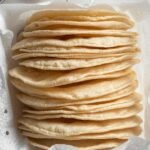
Tortillas drying out is one of those things that used to annoy me constantly.
I’d buy a fresh pack or warm up a big stack, and before I even got halfway through them, they would start turning stiff around the edges, cracking when folded, or feeling like thin cardboard.
And the crazy part is, tortillas look fine even when they’re starting to lose moisture—you only realize it when you try to wrap something, and it snaps in half.
So over time, I learned a handful of very simple habits that keep every type of tortilla soft: flour tortillas, whole wheat, corn, store-bought packs, homemade ones, big burrito-size tortillas, and even street-taco ones.
These steps don’t need fancy equipment, but I do use a few airtight tortilla containers, food-grade storage bags, and sometimes a tortilla warmer, especially when I’m prepping meals for the week.
1. I Always Store Tortillas With a Moisture Barrier (This Stops the Edges From Drying First)
The biggest reason tortillas harden is that the edges dry out long before the center does.
And once the edges stiffen, no amount of heating fully restores that softness.
So my rule is simple: make a moisture barrier.
How I do it
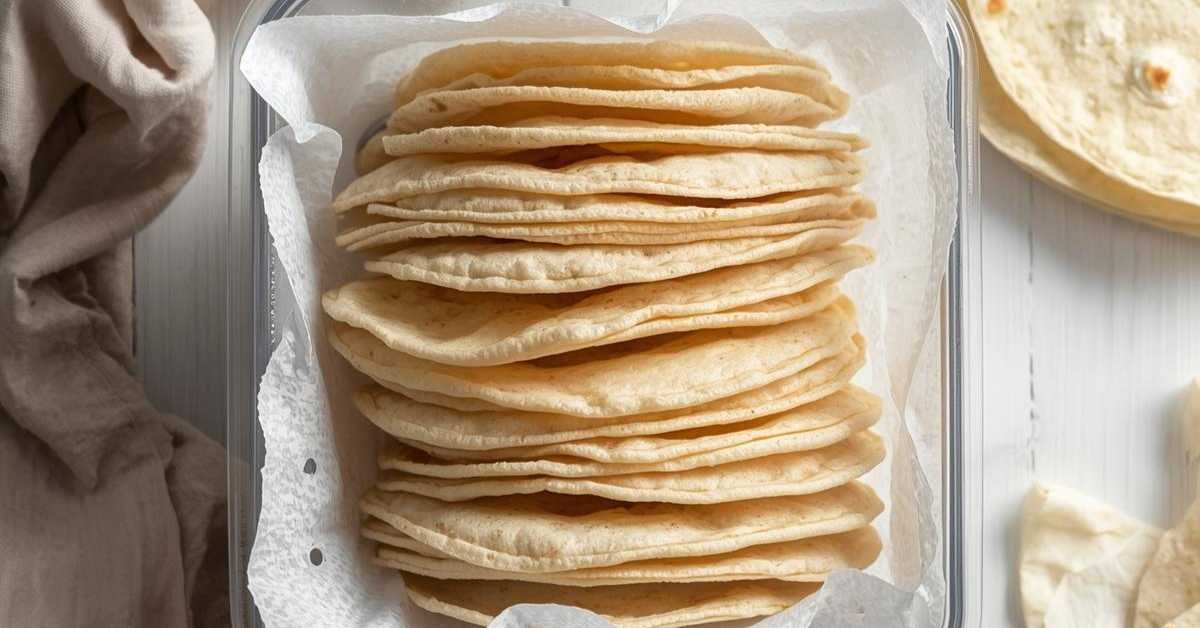
I take two pieces of slightly damp paper towel—not wet, just lightly moistened—and place one above and one below the tortilla stack.
Then I slide the whole stack into a premium airtight food storage bag or container.
Why this works
- Prevents edges from losing moisture
- Slows down drying
- Keeps tortillas flexible for several days
- Works for both flour and corn
Tortillas act just like bread, honestly—moisture control decides everything. I treat them almost the same way I treat bread when I store it to stay soft, just like the logic behind my clever fixes to help bread stay soft for days.
When this helps the most
- Meal prep weeks
- Big packs of tortillas
- Leftover takeout tortillas
- Homemade tortillas you want to save
Keeping that thin humidity layer is the whole point.
Too much moisture ruins texture, too little dries it out—the trick is finding the middle.
2. I Use a Tortilla Warmer or Wrap Them in a Cloth Right After Heating
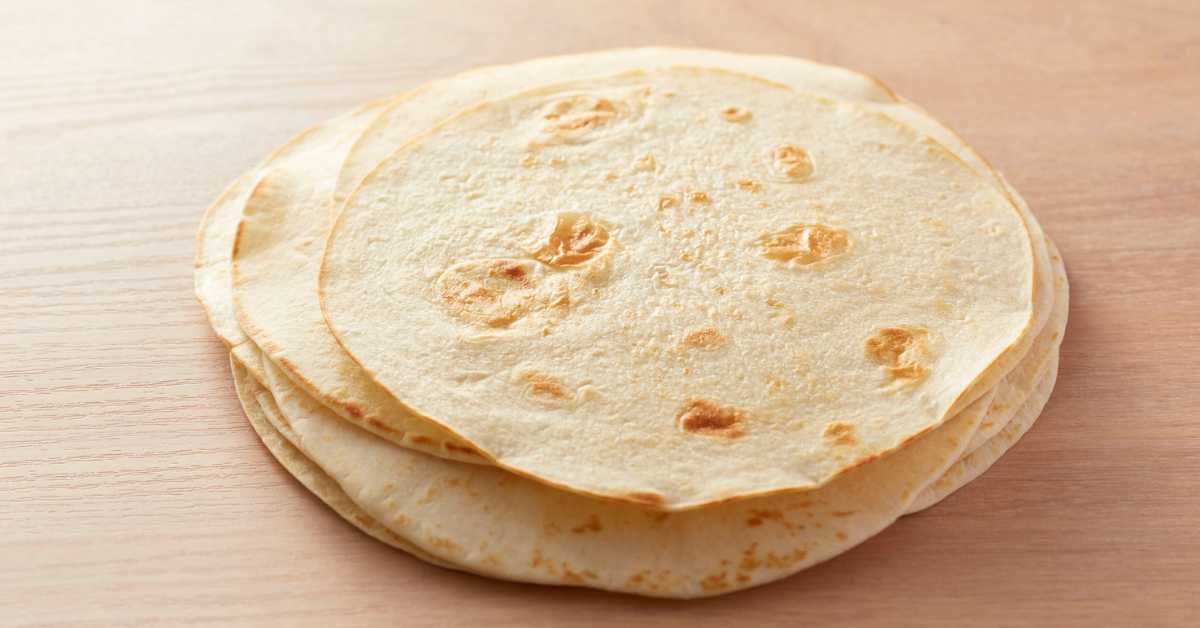
This isn’t just for serving. It actually protects softness for the whole week if you’re reheating them daily.
Tortillas start to dry the moment hot air hits the surface. If I heat a tortilla and leave it out, even for 2–3 minutes, it starts turning leathery.
That’s why I always use a warmer or a cloth wrap.
My routine
- Warm tortillas on a skillet for 5–10 seconds per side
- Immediately stack them
- Cover the whole stack in a cotton kitchen towel
- Place inside a microwave tortilla warmer or insulated pouch
Why it works
- Traps steam
- Stops the surface from drying
- Keeps flexibility
- Makes tortillas reheat beautifully even after hours
This is something I also noticed when storing herbs or lettuce—anything thin loses moisture fast if left uncovered, which is why I use similar logic in my simple tips that help lettuce stay crisp all week.
Bonus
If I’m making tacos for dinner and saving the extra tortillas, I wrap them the same way and put them in the fridge. They stay soft even the next day.
3. I Freeze Tortillas in Small Stacks So They Never Stick or Dry Out
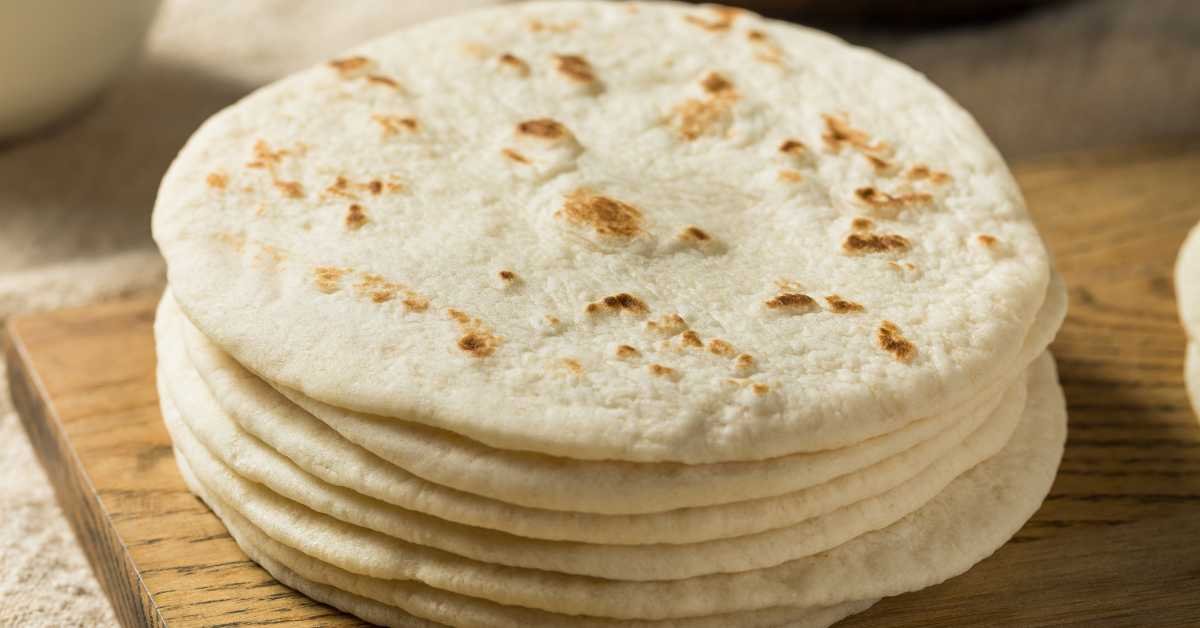
Freezing sounds like it would ruin tortillas, but it actually preserves their softness better than the fridge. The trick is freezing them properly.
If you freeze a big stack all stuck together, moisture moves unevenly, and tortillas develop stiff spots.
But if you freeze in small groups, they thaw soft and perfect.
How I freeze tortillas
- Divide tortillas into stacks of 6–8
- Place parchment between each tortilla (optional but helpful)
- Put each stack into a freezer-safe zip bag
- Press the air out completely
- Freeze flat so they don’t bend
How I thaw them
- Leave the stack on the counter for 15 minutes OR
- Microwave for 10–12 seconds with a damp towel
Why this keeps softness
Freezing locks moisture exactly where it is.
Drying only happens when tortillas are exposed to air—so freezer + airtight bag = perfect preservation.
This is the same idea I use when freezing milk without losing texture, something I always mention in my smart ways to freeze milk without ruining the texture guide. If moisture stays locked, the food stays good.
When I freeze tortillas
- When I buy bulk packs
- When I make homemade tortillas
- When I know I won’t finish a pack in the week
It’s honestly one of the easiest ways to guarantee soft tortillas anytime.
4. I Reheat Tortillas With Controlled Steam (Simple Method That Restores Flexibility Instantly)
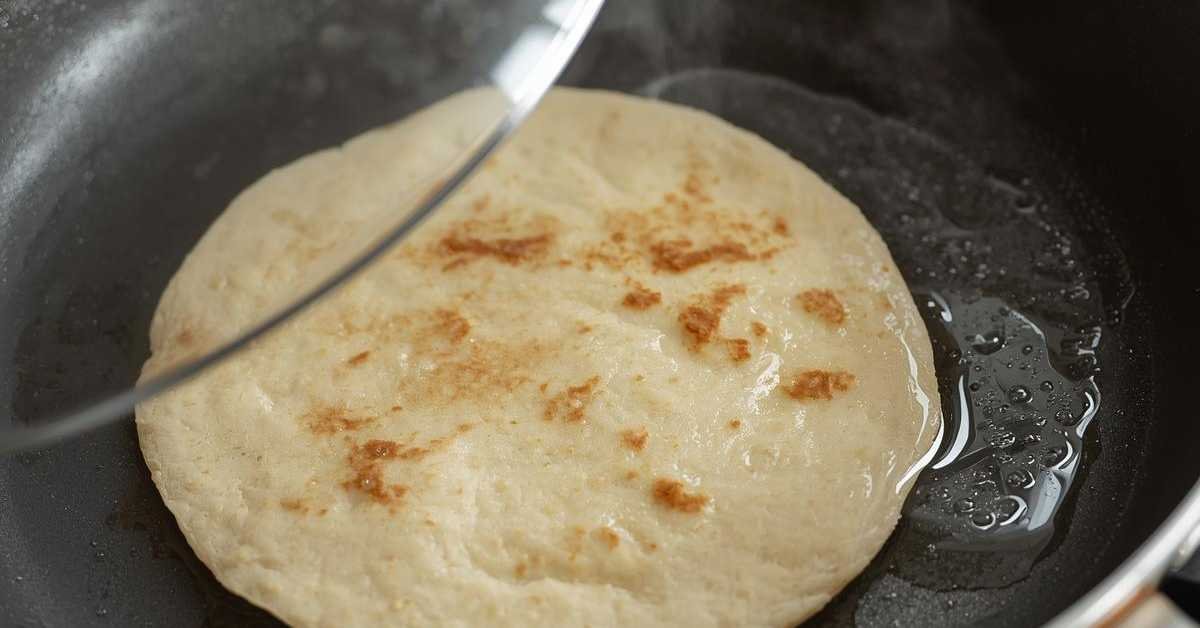
Sometimes tortillas harden because they’ve been in the pantry or fridge too long. Instead of pan-heating them dry, I bring them back with a little controlled steam.
My method for flour tortillas
- Place a tortilla on a warm skillet
- Splash a few droplets of water on the empty area of the pan (not on the tortilla)
- Cover with a lid for 10–15 seconds
My method for corn tortillas
- Wrap 3–4 tortillas in a slightly damp cloth
- Microwave for 25–30 seconds
- Keep them covered until serving
Why this works
Steam softens tortillas without making them soggy.
Dry heat alone sometimes makes them stiffer, especially corn tortillas.
When I use this trick
- Old tortillas from a week earlier
- Tortillas were stored incorrectly the first time
- Cold tortillas from a taco takeout kit
- Leftover tortillas stored in the fridge
It feels like reviving bread—just like adding moisture lightly to soften it.
And that’s the same type of moisture-control idea I apply when storing apples or berries earlier, like in my easy tricks to stop berries from molding so fast, where correct humidity levels change everything.
5. I Keep Tortillas Away From Fridge Airflow and Store Them Airtight (Fridge Air Dries Everything)
The refrigerator isn’t the enemy—the airflow inside it is.
Fridge air is extremely dry, especially near the vents.
To stop tortillas from drying, I never store them exposed or in the original bag alone.
My tortilla-storage rule
- Keep the original packaging plus
- Add a second airtight bag or container
- Press all the air out before sealing
- Store in the middle section of the fridge, not the back or door
Why double-sealing matters
Refrigerators constantly push cold air around.
That air strips moisture from thin foods in hours.
Double sealing keeps tortillas soft for:
- 5–7 days for flour
- 3–5 days for corn
Bonus detail
If the tortilla pack has one of those weak resealable stickers, I ignore it completely. It never closes tightly enough. I always repackage.
This is just like how I store tomatoes with controlled airflow when I want maximum flavor, the same way I describe in quick ideas to keep tomatoes flavorful for longer.
Airflow—too much or too little—changes food fast.
Extra Tricks I Use That Also Help Keep Tortillas Soft
These aren’t the “main five,” but I use them all the time because they absolutely work:
I warm tortillas before storing leftovers
Warm tortillas hold moisture better than cold ones when stored.
I never leave the bag open even for a few minutes
Air exposure = instant drying around the edges.
I wrap half-used stacks tightly
Once the pack is opened, dryness accelerates fast.
I avoid refrigerating corn tortillas unless necessary
Corn tortillas dry faster, so pantry-storage + airtight + damp barrier works best if using soon.
If a tortilla seems stiff, I always try steaming before tossing
Most “dry” tortillas are just dehydrated, not spoiled.
I store tortillas the same way I store soft bread
They behave exactly alike when it comes to moisture.
I keep all tortillas away from apples or ethylene heavy produce
Ethylene changes texture faster than most people expect.
How I Choose Which Softness Method to Use
Because each tortilla situation is different, here’s how I decide:
- If the tortillas are fresh and unopened: Leave in packaging + airtight bag + cool pantry
- If they’re opened: Moisture barrier + airtight sealing
- If they’ll last longer than a few days: Freeze in small stacks
- If they feel stiff before serving: Steam reheating (skillet or microwave)
- If I’m making tacos for a party: Pre-warm + cloth wrap + tortilla warmer
- If I’m meal prepping: Double-seal in fridge + steam reheating before eating
Once you start handling tortillas with moisture balance and heat control in mind, they become incredibly easy to keep soft and flexible.
Conclusion
After trying a bunch of random things over the years, these are the five habits that actually keep my tortillas soft, flexible, and ready to fold without cracking.
Once I started using a simple moisture barrier, reheating with controlled steam, freezing tortillas the right way, double-sealing them in the fridge, and keeping them wrapped after warming… tortillas just stopped drying out on me.
It’s all about managing moisture and airflow.
When you get those two things right, even a week-old tortilla feels fresh enough for tacos, wraps, quesadillas, or whatever you’re making.
And it saves you from throwing out half a pack every time.
FAQs
How long do tortillas stay soft when stored correctly?
Flour tortillas usually stay soft for 5–7 days if sealed properly with a moisture barrier.
Corn tortillas last 3–5 days, but they stay flexible even longer if reheated with steam.
Should I keep tortillas in the fridge or pantry?
Unopened packs can stay in the pantry, but once opened, I always move them to the fridge—just double-sealed so cold airflow doesn’t dry them out.
If I don’t finish them within the week, I freeze them.
What’s the best way to fix tortillas that have already turned stiff?
Steam is the easiest fix.
Either warm them on a skillet and cover with a lid, or wrap in a damp cloth and microwave for a few seconds.
Most dry tortillas soften instantly unless they’re cracked beyond repair.
Can I freeze tortillas without ruining the texture?
Yes, tortillas freeze extremely well. Just stack them in small groups, press out all the air, and freeze flat.
When thawed, they taste exactly the same—no dryness, no cracking, no flavor loss.
I’m a self-taught home cook who turns everyday ingredients into comforting, café-style recipes. I test everything in my own kitchen (sometimes more than once), tweak flavors how I like them, and share only what I actually enjoy.
Most of my recipes are chocolate-based or have a creative twist, and I keep them preservative-free, beginner-friendly, and fun to make.
If you love cozy drinks, healthier desserts, or bold flavor combos — you’re in the right place. [Read full story]