If your lemons are getting hard, turning pale, or drying from the inside every time you store them in the fridge, then it’s not your fault.
Lemons lose water extremely fast, and the fridge pulls moisture out even quicker.
But if you just fix a few small habits, your lemons will stay soft, juicy, and heavy for many days.
These are the 6 exact things I personally follow at home, and once you start using them, you won’t have to deal with wrinkled lemons or dry pulp again.
And yes, you’ll save money too, especially if you usually buy lemons in bulk for meal prep, salad dressings, detox drinks, or baking.
1. Keep Whole Lemons Inside an Airtight Bag (This simple thing will stop 90% moisture loss)
The biggest mistake people make is placing lemons directly in the fridge.
If you do that, the skin loses moisture constantly, and within a few days, the lemon becomes light, hard, and wrinkly.
So what I do is:
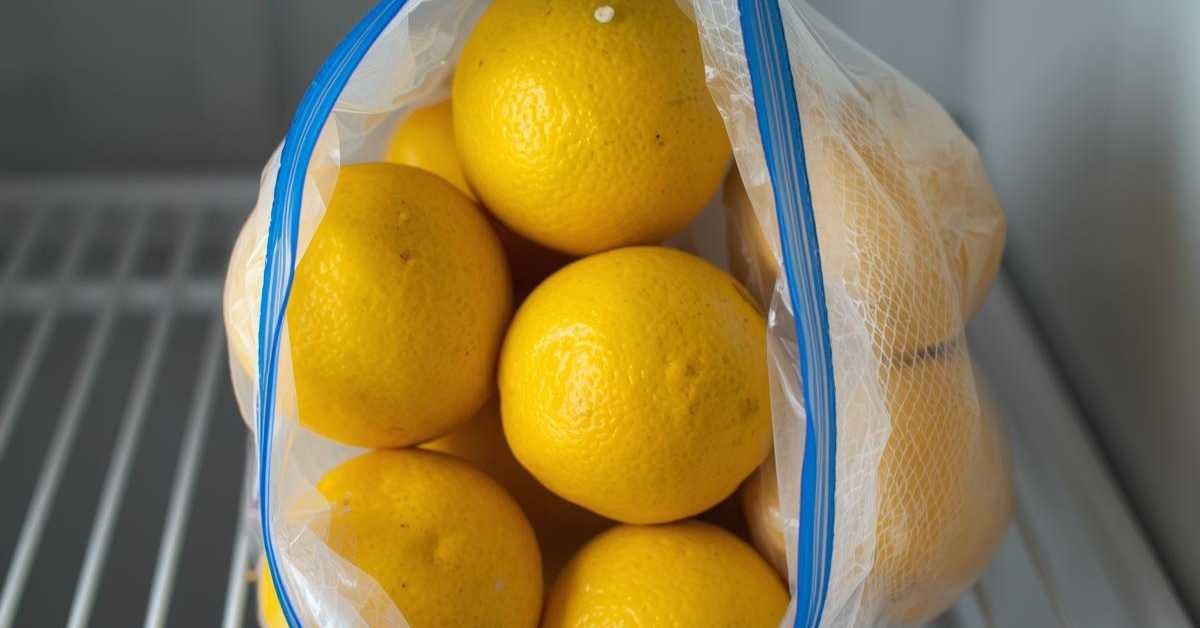
- Put all the whole lemons inside a zip bag
- Press the air out gently
- Seal it tightly
- Keep the bag in the fridge’s main section
Once you do this, the lemons won’t lose moisture through the pores in their skin. They’ll stay shiny and soft, and they won’t dry from the inside either.
I learned this the same way I learned how other fruits stay fresh longer when you give them a sealed environment.
For example, when you use the right methods for keeping cut apples fresh, they don’t turn brown as fast.
Also read: Clever Ideas That Keep Cut Apples Fresh for Longer
This airtight method works every single time. Even if you store lemons for 2–3 weeks, they’ll still feel juicy.
2. Use the Water-Soaking Method (If you want lemons that feel super juicy and soft)
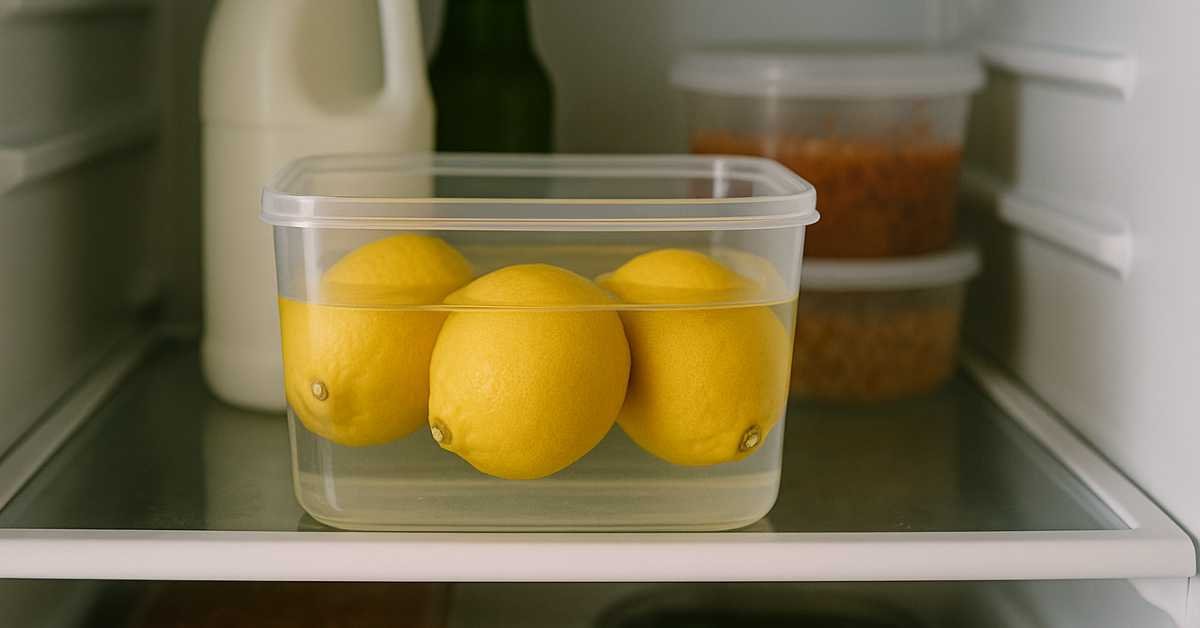
This might look strange to some people, but trust me, lemons will remain incredibly juicy if you store them in water.
The method is very simple:
- Take a bowl or container
- Add all your lemons
- Fill it with clean, cold water
- Close the container
- Keep it in the fridge
You just need to change the water every few days.
Because lemons have natural pores on their skin, they slowly absorb a bit of moisture, which makes the pulp stay juicy, almost like a freshly picked lemon.
If you’re someone who drinks lemon water every morning or uses lemons for salads or grilling, you will love this method.
The weight of the lemon will even increase because of the hydration.
And you’ll notice how easily it squeezes compared to fridge-dry lemons that barely give any juice.
This one will give you the softest lemons without doing anything complicated.
3. Store Lemons in the Crisper Drawer With a Moisture Layer (My long-term method)
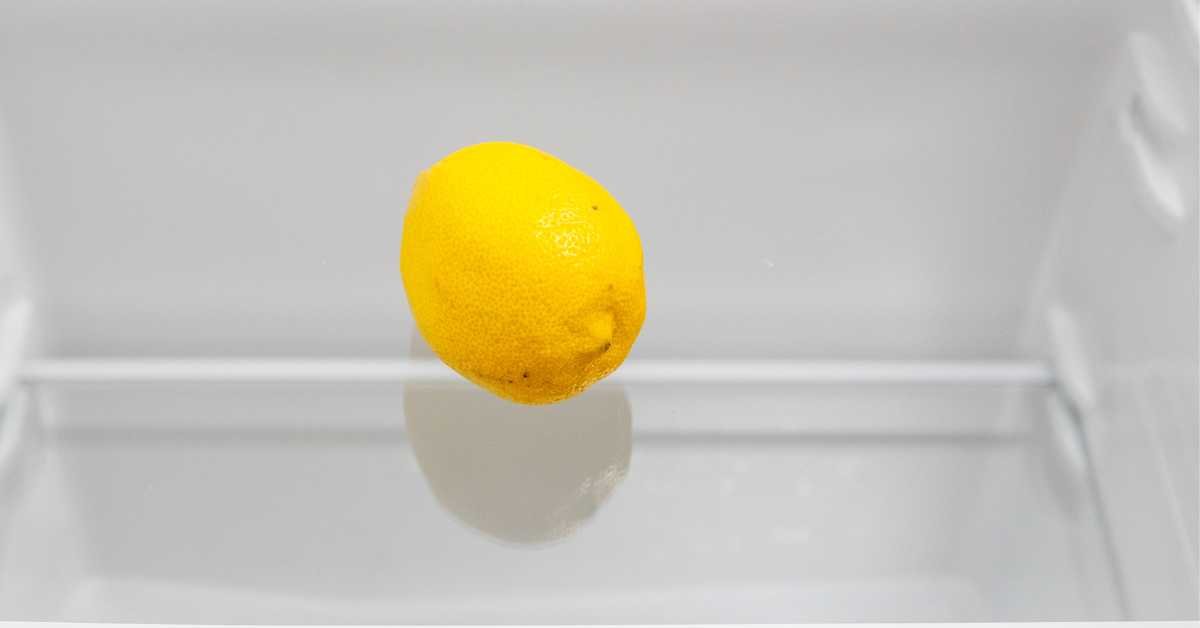
Your fridge has different zones. Some parts are extremely cold and dry. Some parts have better humidity.
For lemons, you want the crisper drawer because the humidity inside helps prevent moisture loss.
But don’t just toss lemons inside the drawer without anything. What I do:
- Place one dry paper towel at the bottom
- Put the lemons in
- Add another towel loosely on top
This method keeps the lemons away from direct cold air, which normally dries the skin.
It also prevents mold and keeps the environment balanced.
I use a similar idea when storing cucumbers because humidity control makes a big difference.
Also read: Ways to Keep Cucumbers Fresh and Crunchy All Week
This setup may look simple, but it will give you fresh lemons for many days.
4. Wrap Each Lemon Individually (Useful when you buy lemons in bulk)

If you buy a whole bag of lemons from the store, then wrapping them individually will extend their life a lot.
Lemons touching each other share moisture, which sometimes causes faster spoilage.
Also, wrapped lemons lose moisture much more slowly.
Here’s exactly what I use:
- Parchment paper
- Wax paper
- Or reusable food-wrap sheets
Just wrap them lightly—not tightly—and put them inside a sealed box or a zip bag.
This trick is also helpful if you want to store lemons for upcoming recipes like lemon chicken, salad dressings, marinades, or baking.
The lemons stay soft longer because air can’t directly reach their skin.
It’s the same idea I use when storing herbs or leafy greens in the fridge, where wrapping makes a huge difference.
If you buy lemons monthly or in large amounts, this method will help a lot.
5. Protect Cut Lemons Properly (Because cut lemons dry faster than anything)
If you ever cut a lemon and just throw it in the fridge uncovered, 90% of the juice will evaporate into the fridge air.
The exposed pulp releases moisture and becomes rubbery.
So here’s what I personally do to keep cut lemons soft:
Airtight container method
Put the cut lemon inside a small container and close it tightly.
Make sure the cut side faces up so it doesn’t touch the base.
Cling wrap method
If I’m in a hurry, I wrap just the cut part with cling wrap and store it inside the crisper.
Light oil method (for cooking use)
If I know I’m going to use the lemon in a recipe, I rub a tiny drop of olive oil on the cut side.
This seals moisture and slows down drying.
This works the same way I protect fruits like watermelon slices. Once moisture escapes, the fruit becomes bland. (
Also read: Handy Tips That Keep Sliced Watermelon Tasting Fresh
Cut lemons need protection more than whole lemons because the pulp dries extremely fast.
6. Never Store Lemons in These Common Wrong Spots (This is why they turn hard quickly)
Even if you buy fresh lemons and store them well, keeping them in the wrong part of the fridge will ruin their texture.
1. The fridge door
Temperature changes constantly, and lemons harden faster.
2. Near the cold air vents
These spots are too dry and too cold. Lemons become rock hard.
3. Open shelves without protection
Cold air hits them directly, and moisture evaporates from the skin.
Lemons are just like berries or herbs—if you store them in the wrong zone, they lose quality extremely fast.
Related: Simple Techniques That Extend the Life of Fresh Berries
So keep lemons where humidity is stable, not where cold air hits continuously.
Extra Tips That Help Lemons Stay Good Longer
Choose heavy lemons
Heavy lemons have more juice. Light ones are already drying inside.
Don’t wash before storing
Only wash when you’re about to use them.
Remove any spoiled lemon immediately
One spoiled lemon can affect the others around it.
Freeze lemon juice if you have too many
You can freeze lemon juice in ice trays for later use.
Zest can also be frozen easily.
Use lemons in daily meals
Soft lemons squeeze better for salads, marinades, lemon tea, detox water, grilled chicken dishes, pasta sauces, etc.
Quick Summary
Just do these:
- Store whole lemons in airtight bags
- Use the water bath method
- Keep lemons in the crisper drawer
- Wrap individual lemons
- Protect cut lemons quickly
- Avoid storing lemons in the wrong fridge spots
If you follow even two of these methods, your lemons will stay soft and juicy much longer.
Conclusion
Keeping lemons soft and juicy in the fridge isn’t difficult at all. You only have to understand how quickly they lose moisture; these small storage habits suddenly make sense.
And, once you do them, you won’t go back to tossing lemons loosely into the fridge.
Your lemons will stay heavier, brighter, and full of juice for days instead of turning dull and rock-hard.
These are the same steps I follow at home, especially when I buy lemons in bulk for cooking and drinks.
If you just protect their moisture and keep them in the right fridge zone, you’ll always have soft lemons ready whenever you need them.
FAQs
How long do lemons stay fresh in the fridge using these methods?
If you store them correctly—airtight bag, crisper drawer, or water method—most lemons will stay soft and usable for 2 to 4 weeks easily.
Some even last longer, depending on how fresh they were when you bought them.
Why do lemons become hard even when kept in the fridge?
The fridge air is very dry, and lemons naturally lose moisture through their skin.
When they’re not sealed properly, the water inside evaporates, and the pulp becomes tough.
Storing them airtight or with added humidity prevents this completely.
Should lemons be washed before storing them?
No, you shouldn’t wash them before storing. Washing adds moisture to the skin that encourages mold.
Always wash lemons right before using them, not before storing.

I’m a self-taught home cook who turns everyday ingredients into comforting, café-style recipes. I test everything in my own kitchen (sometimes more than once), tweak flavors how I like them, and share only what I actually enjoy.
Most of my recipes are chocolate-based or have a creative twist, and I keep them preservative-free, beginner-friendly, and fun to make.
If you love cozy drinks, healthier desserts, or bold flavor combos — you’re in the right place. [Read full story]