Fresh herbs are amazing… until they die on you.
I’ve lost enough cilantro, parsley, mint, basil, dill, and chives to finally admit that they’re more sensitive than any other ingredient in the fridge.
They wilt fast, turn black, dry out, smell weird, or get slimy if you store them the wrong way.
So I started trying small things — nothing fancy — just simple storage habits that help my herbs stay fresh for almost two weeks.
And, these tiny tweaks save a lot of money, especially with how expensive fresh herbs, organic produce, and premium grocery items are right now.
Now let’s talk herbs — and what actually works to keep them fresh.
1. Trim the Stems and Treat Herbs like Flowers (this alone saves a full week)
Most herbs behave exactly like flowers when it comes to freshness.
If you trim the bottoms and give them water, they stay perky. When I first tried this, I was shocked by how well it worked.
Here’s what I do:
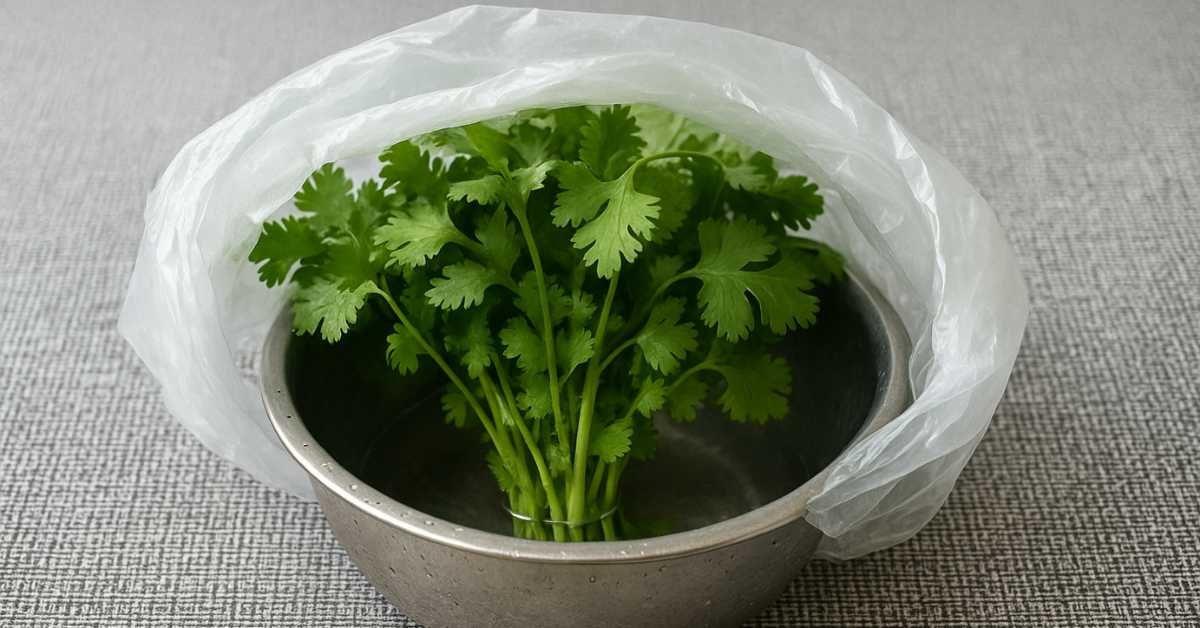
- Rinse the herbs gently
- Trim ½ inch off the stem ends
- Put them in a jar or glass with about 1 inch of water
- Cover the top loosely with a produce bag
- Store in the fridge
This is perfect for:
- Cilantro
- Parsley
- Mint
- Dill
- Tarragon
Why this works:
The stems absorb water and stay hydrated instead of drying out in the fridge air.
Covering them helps prevent top leaf wilting.
Pro tip: Change the water every 2–3 days. It’s quick and makes a huge difference.
2. Wrap Herbs in Slightly Damp Paper Towels
Some herbs don’t like to sit in water. For those softer, more delicate types, I use this “damp towel” method.
Here’s how I do it:
- Rinse the herbs
- Shake off excess water
- Lay them on a barely damp (not wet) paper towel
- Roll them gently
- Slide the roll into a zip bag or silicone bag
- Push air out and seal
This is great for:
- Basil
- Chives
- Thyme
- Rosemary
Why it works:
The herbs stay hydrated without getting soggy. Too much wetness causes slime; too little water causes dryness.
This method also works well for lettuce — I use something similar to keep it crisp: Simple tips that help lettuce stay crisp all week.
3. Store Herbs in Airtight Containers (keeps fridge air away)
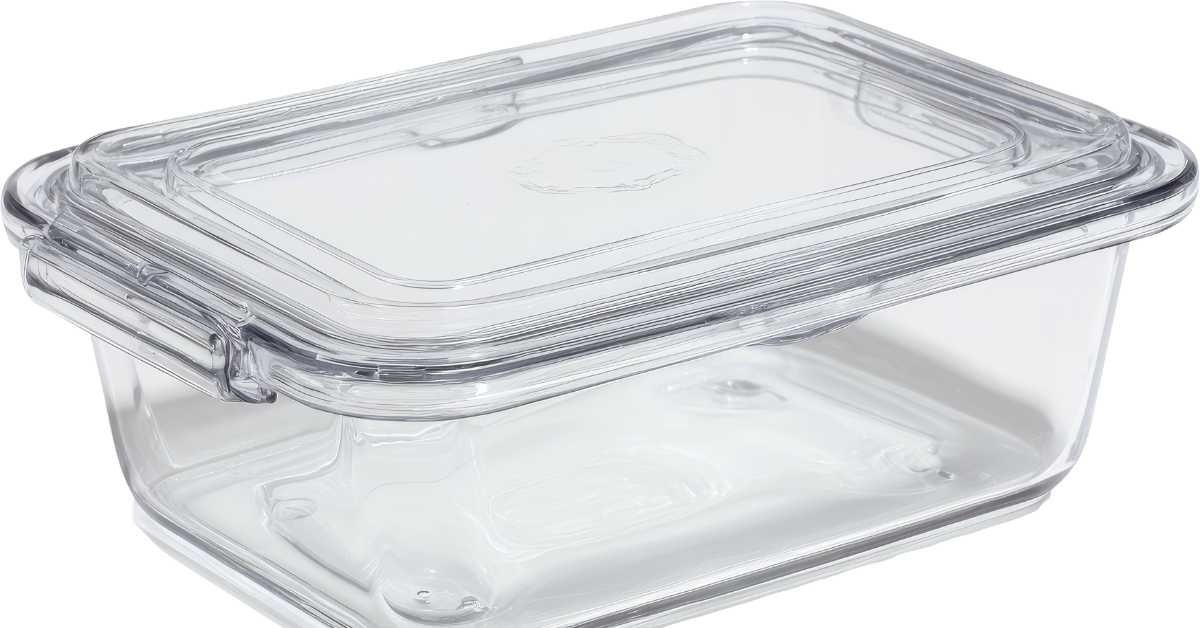
The fridge air is dry. Herbs hate dry air. So using airtight containers makes a noticeable difference, especially with leafy herbs.
I usually:
- Use glass meal-prep containers
- Line the bottom with a dry paper towel
- Add herbs loosely
- Place another dry towel on top
- Seal completely
This protects them from two things:
- Moisture loss
- Excess condensation
If herbs touch the wet sides of a container, they turn dark quickly. Dry towels absorb that moisture and keep them fresh longer.
You’ll see the same effect on berries if you store them this way: Simple techniques that extend the life of fresh berries.
4. Keep Herbs Away from the Coldest Fridge Spots
This part matters way more than people think. The back bottom corner of many refrigerators is icy cold, and herbs will freeze there.
Once they freeze, they turn black.
I keep herbs:
- In the middle fridge shelf
- Away from fans
- Away from the freezer section
- Away from anything that creates condensation
Why this matters:
Cold burns herbs the same way it burns lettuce or spinach — they get soft and dark.
5. Wash Herbs Only When You Need Them (unless they’re visibly dirty)
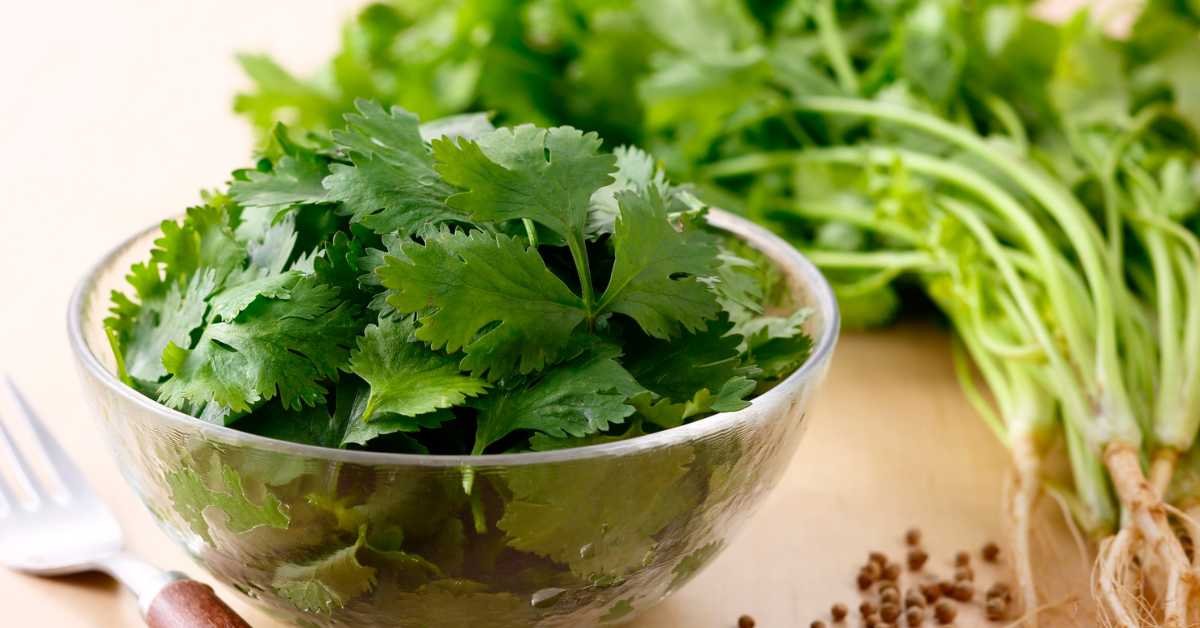
Yes, I love washing things right away, but washing herbs before storage sometimes shortens their life.
Here’s what I do:
- If herbs are clean → I store them unwashed
- If herbs look dusty → I wash gently and dry thoroughly
If there’s leftover moisture trapped in the bunch, it creates a slimy layer on the herbs after a few days.
Drying them well (using a clean towel or salad spinner) prevents this.
This is the same reason leftover pasta dries out or becomes gummy if not handled correctly — moisture always matters:
6. Freeze Herbs the Right Way (if you won’t use them soon)
If I know I won’t use the herbs within a week, I freeze them — but not the usual way that turns them black or mushy. The method that works best for me:
Option A: Freeze whole herbs
- Wash and dry completely
- Spread them flat on a tray
- Freeze for 2 hours
- Move to an airtight freezer bag
This works for rosemary, thyme, and oregano.
Option B: Freeze chopped herbs in olive oil
- Chop herbs
- Add them to an ice tray
- Cover with olive oil
- Freeze
- Pop cubes into a freezer bag
This is perfect for cilantro, parsley, basil, and mint (for cooking, not garnishing).
Why it works:
Oil protects color and aroma. Frozen herbs are amazing for soups, sauces, stews, and pasta.
It’s a similar idea to how I freeze milk without ruining its texture — oil helps preserve structure:
7. Use the “Jar with Breathable Lid” method for basil
Basil is dramatic. It hates the fridge, hates cold air, hates drafts, and hates moisture. So I store basil on the counter, not the refrigerator.
Here’s what works for me:
- Trim the stems
- Put basil in a glass jar
- Add 1 inch of room-temperature water
- Cover loosely with a paper towel or breathable lid
- Keep it on the counter (not direct sunlight)
Basil stays green, plump, and fragrant for days like this — sometimes more than a week.
Why not refrigerate basil?
Cold air ruins basil immediately. It’ll turn black overnight.
8. Pick off bad leaves early (they spread fast)
One thing I always do now: as soon as I see a leaf turning yellow, slimy, or dark, I remove it.
Herbs behave like berries in this way — one bad piece ruins the rest.
A few seconds of maintenance saves the entire bunch.
Also, don’t crowd herbs. Space helps airflow and slows spoilage.
This is the same logic behind preventing mold in berries:
Extra Herb-Keeping Habits That Help Me Extend Freshness Even More
Avoid storing herbs near ethylene-producing fruits
Fruits like apples, pears, and tomatoes release ethylene gas, which speeds up herb spoilage.
Keep herbs away from them.
Don’t compress herbs inside containers
Herbs need space. Crowding creates bruising → bruising creates dark spots → dark spots spread fast.
Use herbs at the right time
Cilantro and dill lose aroma fast.
Rosemary and thyme last the longest.
Using the delicate ones earlier prevents waste.
Buy herbs with intact roots when possible
For cilantro or mint, the bunches sold with roots attached last longer because they stay hydrated.
Try not to store herbs near the freezer vents
Cold, blowing air kills delicate herbs quickly.
If herbs need washing, dry them completely
Excess water = slime.
Completely dry? Herbs last 4× longer.
Conclusion
Keeping herbs fresh isn’t about doing anything complicated — it’s just about giving them the right environment so they don’t lose moisture or get hit with too much of it.
Once I started trimming the stems, storing them in breathable jars, keeping them away from cold drafts, or wrapping them gently instead of stuffing them in a bag, the difference was huge.
Herbs that used to turn limp in two days now last me more than a week, sometimes even close to two.
FAQs
Why do my herbs turn black or slimy so quickly?
Because moisture gathers in the wrong places, or the herbs are stored in a cold spot.
Condensation, fridge drafts, and untrimmed stems cause herbs to break down faster. Removing wet leaves and giving herbs airflow or gentle hydration prevents this.
Should I wash herbs before storing them?
Only if they look dirty. Because if you wash them, they will get moisture, and if the herbs aren’t dried completely, they spoil faster.
Clean herbs can be stored unwashed, then rinsed right before using them.
Do all herbs need to be refrigerated?
Nope. Delicate herbs like basil prefer room temperature and die quickly in cold air.
Others like parsley, cilantro, mint, dill, chives, and rosemary stay fresh longer in the fridge — as long as they are stored correctly.
What’s the best way to freeze herbs without losing flavor?
Chop them, place them in ice cube trays, and cover with olive oil before freezing. This protects their color and aroma.
Once frozen, transfer the cubes to a freezer bag. They work perfectly in soups, sauces, pasta, and sautéed dishes.

I’m a self-taught home cook who turns everyday ingredients into comforting, café-style recipes. I test everything in my own kitchen (sometimes more than once), tweak flavors how I like them, and share only what I actually enjoy.
Most of my recipes are chocolate-based or have a creative twist, and I keep them preservative-free, beginner-friendly, and fun to make.
If you love cozy drinks, healthier desserts, or bold flavor combos — you’re in the right place. [Read full story]