
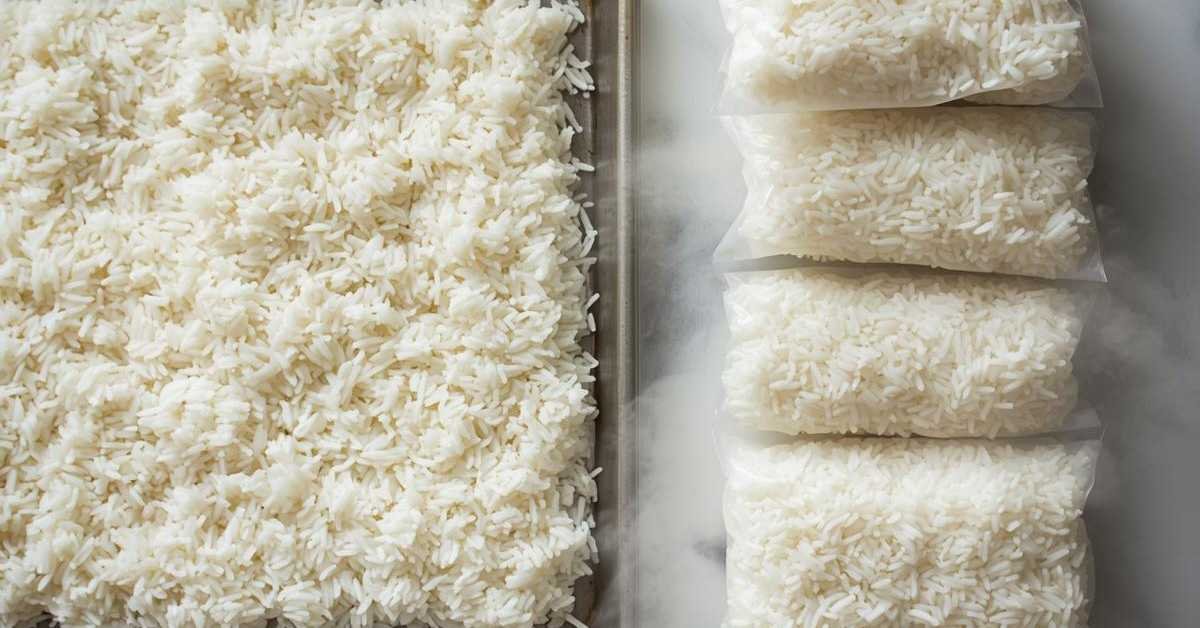
I freeze cooked rice all the time now, but it took me a while to figure out how to stop it from turning into one giant frozen block.
You know that moment when you pull rice from the freezer thinking you’ll get a handful, and instead it’s just a solid brick? Yep — I’ve been there.
Rice only freezes well when you control steam, moisture, and airflow, and once I started paying attention to these things, the rice finally came out fluffy every single time.
These are the six simple things I do that keep every grain separate, even after weeks in the freezer.
Let me explain exactly how I freeze cooked rice at home without any clumping.
1. I Spread the Cooked Rice Out Immediately (This Stops Steam From Creating Sticky Clumps)
The biggest mistake is letting rice sit in the pot after cooking.
The trapped steam keeps cooking it, and the extra moisture turns the grains sticky.
So the first thing I do is dump the rice onto a flat tray or baking sheet.
What I actually do
- Scoop cooked rice out into a wide tray
- Spread it gently with a spoon
- Let the steam escape completely
- Leave it for 5–7 minutes until it’s warm, not hot
Why this works
When steam rises freely, the rice stays separate.
If steam gets trapped, clumps start forming immediately.
This is exactly like when moisture ruins berries or herbs — you fix freshness by managing airflow.
Same idea as what I do in easy tips to keep herbs fresh for nearly two weeks, where moisture timing changes everything.
Works for all types
- White rice
- Basmati
- Jasmine
- Brown Rice
- Short-grain
Everything benefits from this little habit.
2. I Portion the Rice Into Thin Layers Before Freezing It
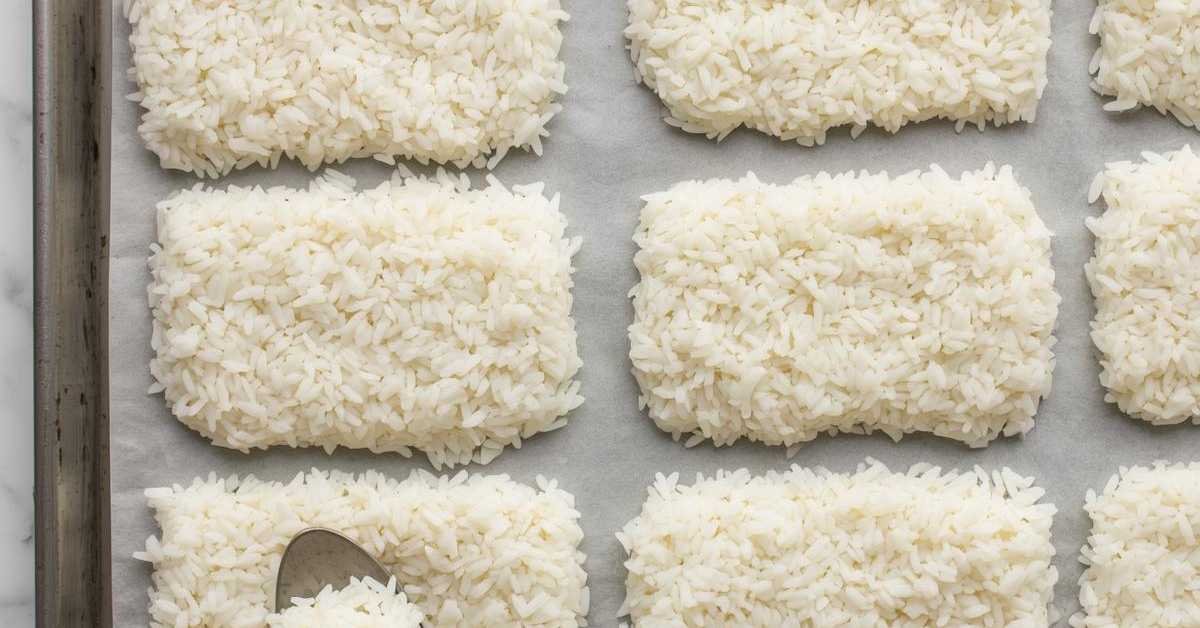
If you freeze rice in a big mound, every grain near the center sticks together.
But if you portion it into thin layers, it freezes fast and stays separate.
How I portion
- About 1 cup per portion
- Flatten each portion into a thin rectangle
- Don’t pack it tightly — just lightly press
Why thin layers freeze better
- Quicker freezing = less moisture migration
- Grains stay fluffy when reheated
- No frozen center block
- Super easy to grab exactly what you need
I treat rice the same way I treat tortillas or bread — thickness affects how fast it freezes or dries. Flat = no clumping.
Extra thing
If I know I’ll use rice for meal prep bowls or stir-fries, I portion it exactly according to recipe size so thawing becomes automatic.
3. I Use Premium Freezer-Safe Bags and Press Out All the Air Before Sealing
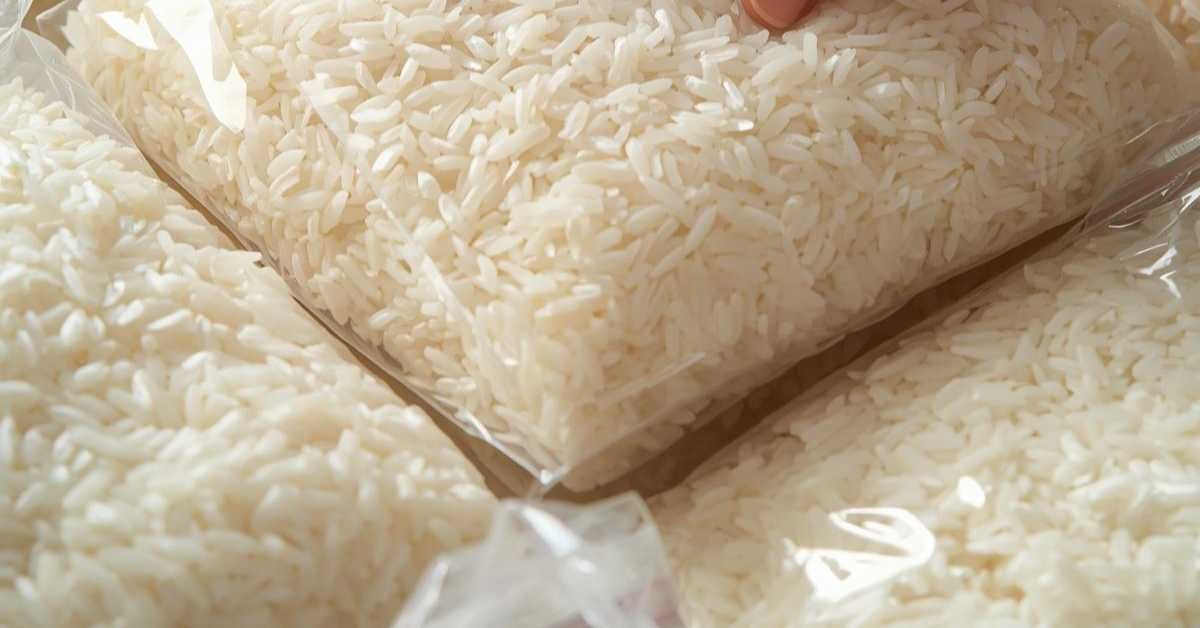
Freezer bags make a huge difference. Cheaper ones leak cold air inside, which creates ice crystals and clumps.
So I switched to premium freezer-safe bags or vacuum-sealable bags, especially when I freeze larger batches.
How I seal
- Flatten the rice inside the bag
- Press out every bit of air
- Seal tightly from bottom to top
- Freeze the bags flat, so they stack nicely
Why the airtight seal matters
- Air inside the bag = ice forming
- Ice forming = sticky grains later
- Sticky grains = clumps
It’s the same airflow logic I use with berries in simple techniques that extend the life of fresh berries, where you control moisture and air to prevent spoilage.
Bonus
Stacked flat rice packs save a ton of freezer space.
4. I Flash-Freeze Rice Portions First Before Storing Them Long-Term
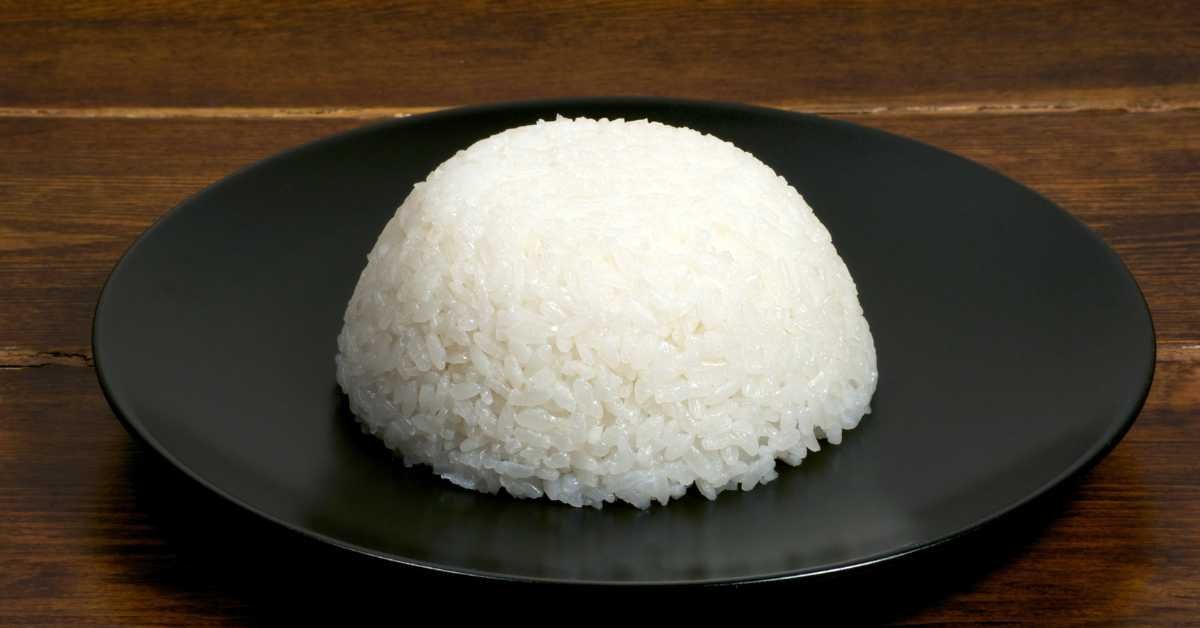
This is the trick that finally gave me perfect rice every time. Instead of tossing the bag straight into the freezer, I flash-freeze the portions first.
What flash-freezing means for rice
- Place the portions on a tray
- freeze them uncovered for 45–60 minutes
- Once firm, transfer them into a freezer-safe bag or an airtight container
Why this step matters
Flash-freezing locks each grain in place before the rice gets sealed tightly.
So when you store it afterward, nothing merges or sticks.
Works insanely well for:
- Fried-rice meal prep
- Leftover rice
- Rice for weekly lunches
- Rice cooked in bulk
The whole point is freezing quickly, so moisture doesn’t have time to form clusters.
5. I Label and Rotate My Rice Packs So Old Batches Don’t Sit Too Long
Rice can technically last months in the freezer, but flavor starts fading if you forget about it.
That’s why I label everything — nothing fancy, just a small piece of tape and a date.
Why rotation matters
- Prevents freezer odors
- Keeps texture consistent
- Avoids using dry, old rice accidentally
- Helps if you freeze multiple varieties
If you store everything without dates, you end up with surprise mystery rice that tastes “freezer-ish.” Rotation fixes that.
I use the same habit when freezing other foods like nuts or milk in my other guides — if you don’t rotate, freshness gets unpredictable.
Similar logic to my smart ways to freeze milk without ruining the texture.
6. I Reheat Frozen Rice With Moisture So It Comes Out Soft and Fluffy (Never Dry)
Freezing correctly prevents clumping, but reheating correctly keeps the texture perfect.
The moment I reheat rice without moisture, it gets dry or firm.
My reheating routine
- Place frozen rice in a microwave-safe bowl
- Sprinkle a tiny bit of water on top
- Cover with a microwave-safe lid or plate
- Heat 1–2 minutes, depending on portion size
Why this works
Rice needs moisture to “wake up” again.
A little trapped steam brings the grains back to life perfectly.
What not to do
- Never microwave uncovered
- Never reheat rice completely dry
- Avoid overheating (it gets tough)
If reheating on the stovetop
Add one splash of water, cover, and heat on low for a few minutes.
If reheating in a skillet
Use a non-stick pan + a few drops of water + a lid.
This gives a fluffy finish, not a dry one.
Extra Things I Do That Also Stop Clumping
Not part of the main six, but I use these constantly:
- I cool rice faster using a wide metal tray: Metal cools steam quickly than glass.
- I avoid sticky rice for freezing unless it’s portioned very thin: Short-grain rice tends to clump unless handled properly.
- I freeze leftover rice immediately, not after a day: The older the rice, the clumpier it freezes.
- I keep frozen rice away from high-moisture foods: Ice crystals transfer between nearby items.
- I use rice for meal prep bowls straight from the freezer: Thaws perfectly and doesn’t clump in the container.
- I flatten rice into a consistent thickness: Different thicknesses freeze unevenly.
How I Decide Which Freezing Method to Use
Depending on what I’m storing, I choose different setups:
- If it’s a big batch for meal prep: Flash-freeze portions + freezer-safe bags
- If I need quick thawing: Thin-layer freezing + microwave steam method
- If rice needs to stay fluffy for fried rice: Portion into small packs + flash-freeze first
- If I bought takeout rice and want to save it: Cool it fast + steam reheat later
- If I cook multiple rice types at home: Label everything and rotate
Once you get the hang of cooling rice properly and freezing it in the right shape, clumping becomes a thing of the past.
Conclusion
After freezing cooked rice in so many different ways, these six little habits are honestly what keep it from turning into one giant frozen chunk.
Once I started cooling it fast, flattening portions, using proper freezer-safe bags, flash-freezing first, and always adding a bit of moisture when reheating… the rice stayed fluffy every single time.
It’s really just about controlling steam and air at the right moments.
And once you figure that part out, freezing rice becomes the easiest meal-prep shortcut ever because you always have soft, separate grains ready whenever you need them.
FAQs
How long can frozen cooked rice stay good in the freezer?
Frozen cooked rice stays fresh for about 1 to 2 months before it loses texture. You just have to store it in airtight freezer bags.
After that, it’s still safe, but the flavor and fluffiness slowly fade.
Why does my frozen rice sometimes come out mushy?
It happens when you don’t cool properly before freezing, because of that, it traps steam.
Hot steam turns into ice inside the pack, which melts back into mush during reheating.
What’s the best way to reheat frozen rice without drying it out?
Always reheat rice with a splash of water and cover it so steam stays trapped.
Microwave 1–2 minutes or heat on the stovetop with a lid. The moisture brings the grains back to life.
Can I freeze rice that has added seasonings or vegetables?
Yes, totally. Just cool it properly first and freeze it in thin layers.
Mixed rice freezes the same way — but veggies with high moisture may soften slightly, so steam reheating works best.

I’m a self-taught home cook who turns everyday ingredients into comforting, café-style recipes. I test everything in my own kitchen (sometimes more than once), tweak flavors how I like them, and share only what I actually enjoy.
Most of my recipes are chocolate-based or have a creative twist, and I keep them preservative-free, beginner-friendly, and fun to make.
If you love cozy drinks, healthier desserts, or bold flavor combos — you’re in the right place. [Read full story]