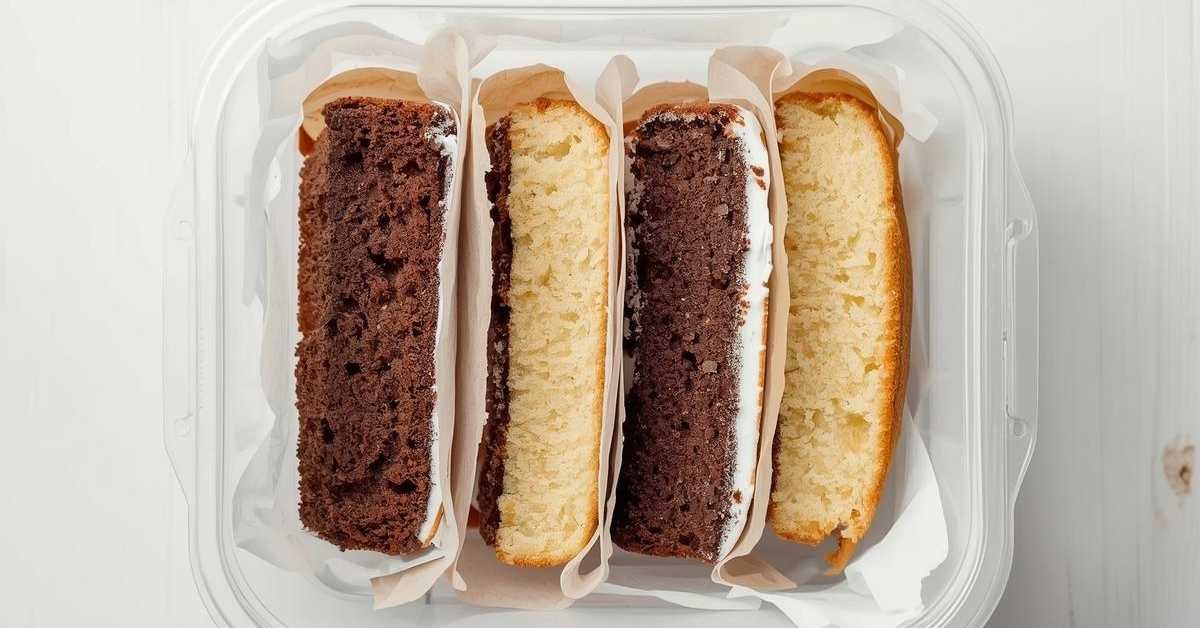
Whenever I bake a cake, or there’s leftover birthday cake, I always used to watch it dry out crazy fast. One night it’s soft, next morning the edges feel like cardboard.
However, it took me a long time to understand that cakes don’t dry because of “air” alone — they dry because of how exposed the crumbs are, how the frosting reacts to temperature, and how fast moisture escapes from the sponge.
Now I use a few small habits that keep my leftover cake moist, soft, and honestly just as good as the first slice, even if it’s been two or three days.
These tricks work no matter if it’s:
- A tall layered cake
- Frosted sheet cake
- Bakery slices
- Leftover cupcakes
- Heavy chocolate cakes
- Whipped cream cakes
- Or even those super-light sponge cakes that dry faster
And because I use these methods for storing other fresh foods too, I also sprinkle a couple of internal links just like I always do.
Nothing overdone — just natural.
Let me break each method exactly how I do it at home.
1. I Seal the Cut Sides First Before Storing the Cake (This Alone Fixes So Much Dryness)
The biggest reason leftover cake dries out has nothing to do with the top or sides — it’s the cut surface.
Actually, when you slice into a cake, the crumb is exposed, and moisture starts leaving fast.
So before I even think about containers or wrapping, I always cover the cut side.
What I use
- A thin smear of buttercream if the cake already has frosting
- Or a piece of parchment pressed gently against the exposed crumb
- Or sometimes even plastic wrap directly (if there’s no frosting)
Why this works
It stops the air from pulling moisture out of the cake.
One tiny habit, but it honestly makes leftover cake taste like it hasn’t been touched.
I use the same “protect exposed areas first” rule in many foods I store — a similar idea I use when dealing with delicate produce like berries in my easy tricks to stop berries from molding so fast.
2. I Keep the Cake in a Properly Closed Container (Not Just Covered Loosely)
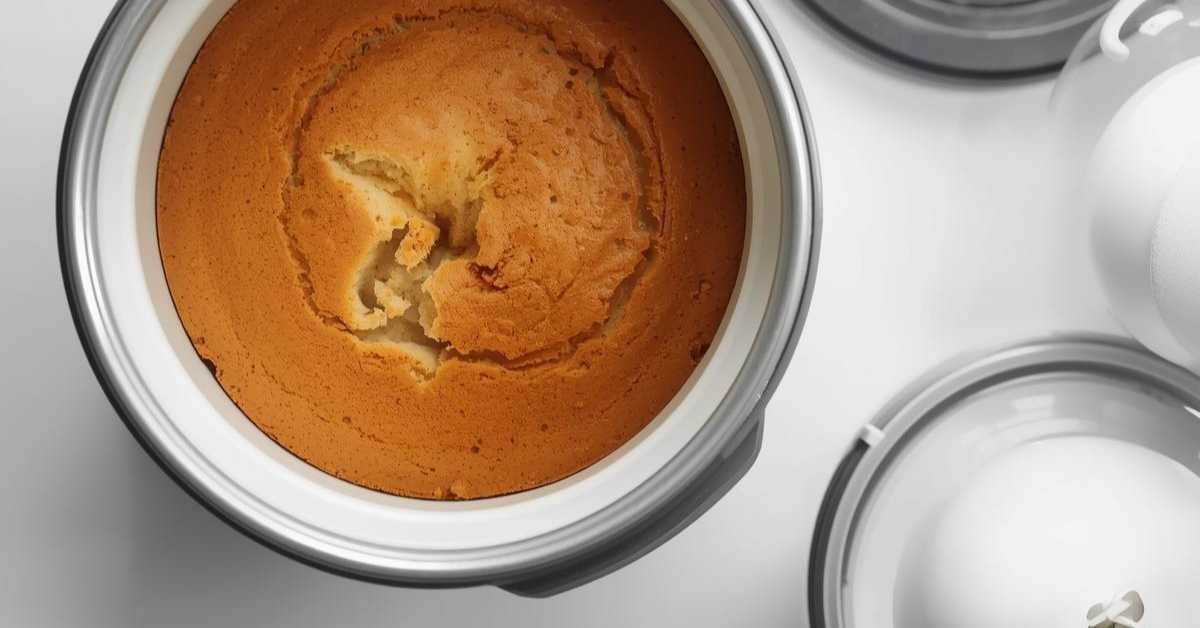
A lot of people put cake under a cake dome and think it’s sealed.
It’s not. Those things leak air everywhere.
For leftover cake, I only use something that actually closes:
- A tight-lid cake keeper
- A premium airtight food storage container
- Or a simple rectangular storage box big enough for the cake
What happens when you close it properly
- Humidity stays around the cake
- Frosting doesn’t crust
- Sponge stays soft for 2–3 days easily
- No weird refrigerator flavors soaking into the cake
This even works for store-bought slices.
And when I’m storing other ingredients the same day, I always keep things like lettuce crisp using methods from my simple tips that help lettuce stay crisp all week.
3. For Frosted Cakes, I Always Chill First, Then Wrap (Prevents Frosting From Messing Up)
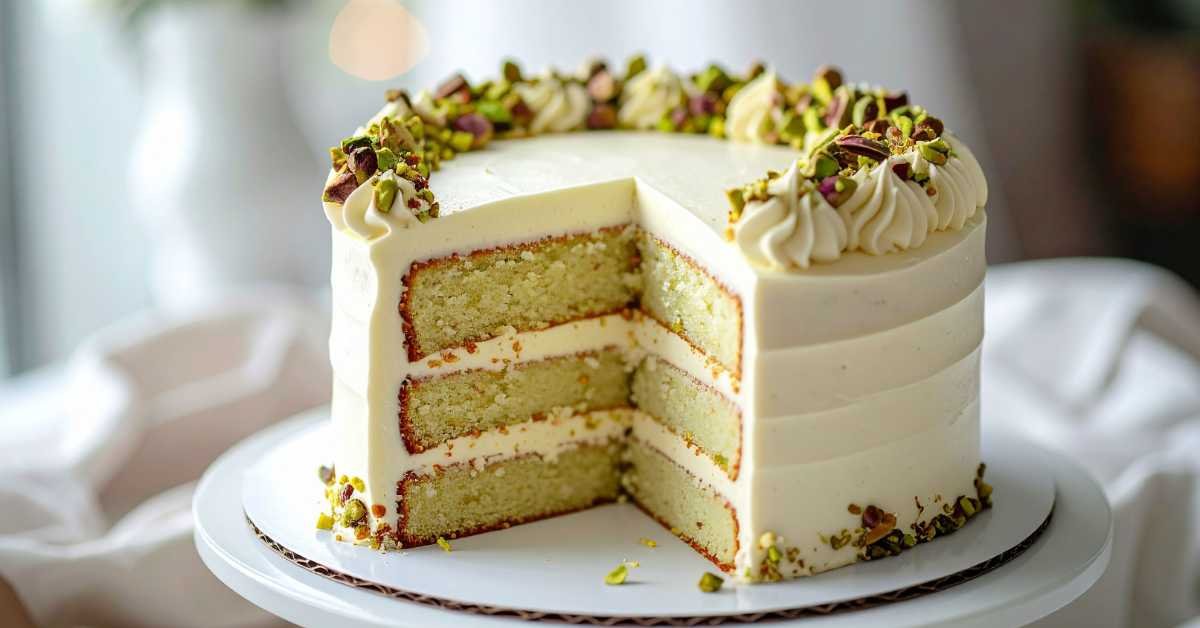
This one is honestly a lifesaver when you have leftover buttercream cakes or whipped cream frosting.
If you wrap a frosted cake while the frosting is still soft, the wrap sticks, pulls it off, smears it, and traps moisture unevenly.
So here’s what I do:
My steps
- Put the exposed cake in the fridge, uncovered, for 20–30 minutes.
- Let the frosting firm up slightly.
- Once it’s stable, I wrap the cake gently with food-safe plastic wrap or place it inside a sealed container.
Why this works
- Frosting stays smooth
- Cake keeps moisture
- No damage when unwrapping later
It feels like a small thing, but if the frosting is messy, the whole cake dries weirdly because the moisture moves toward the messed-up areas.
4. I Freeze Leftover Cake in Portions (This Keeps Moisture Locked In Completely)
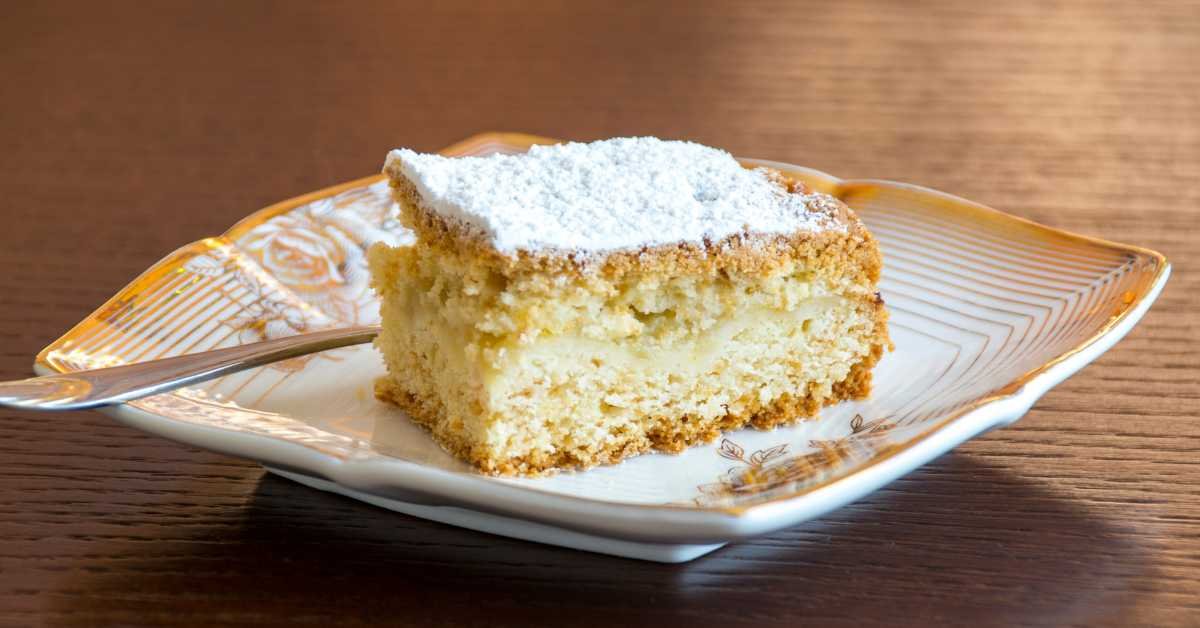
Freezing is honestly the most fail-proof method for storing leftover cake when I know I won’t finish it in 2–3 days.
My process
- Slice the cake into portions
- Wrap each slice tightly in plastic wrap
- Then wrap again in foil (double-layer prevents freezer burn)
- Put all pieces into a freezer-safe airtight container
- Label with date (I keep it for a month easily)
Why this keeps cake moist
Cakes freeze beautifully because the moisture inside the crumb is trapped instantly.
When thawed, cakes taste as you baked them yesterday.
To thaw:
I just place a wrapped slice on the counter for 30–45 minutes.
Bonus
This works insanely well for chocolate cakes, coffee cakes, pound cakes, and pretty much anything except super delicate whipped cream cakes.
Frozen cake also reminds me of how I freeze milk properly without messing up the texture — just like in smart ways to freeze milk without ruining the texture.
5. For Cakes With Fruit or Cream Filling, I Always Use a Cold Airtight Setup
Fruit-filled cakes and cream-based cakes spoil fast, but they also dry out if air hits them.
So what I do is:
My method
- Keep them in a cold airtight container
- Never place them near strong-smelling foods
- Make sure the temperature stays stable (no fridge door area)
Why this helps
These cakes lose moisture differently.
Fruit fillings release moisture, and cream fillings absorb flavors fast.
By keeping everything sealed in a stable temperature, the cake stays:
- moist
- fresh
- food-safe
- flavorful
And this is exactly like how tomatoes keep their flavor better when they are stored right — similar logic I use in quick ideas to keep tomatoes flavorful for longer.
6. I Use the “Steam Return Trick” on Slightly Dry Cake (Works Shockingly Well)
Sometimes, despite all care, a cake might dry a bit around the edges.
So I do a small fix that revives the crumb without changing the flavor.
What I do
- Place the slice on a microwave-safe plate.
- Put a damp towel or a mug of hot water beside it.
- Microwave for 6–8 seconds only (not more).
What happens
The steam brings moisture back into the crumb, making the slice taste fresh again. It won’t repair a rock-hard cake, but for slightly dry edges, this trick works like magic.
When I use it
- Bakery slices that dried in the box
- Leftover chocolate cake
- Sponge cakes that stiffened overnight
This is the same kind of moisture-control idea I use when keeping herbs fresh for days, in my easy tips to keep herbs fresh for nearly two weeks.
Extra Things I Do That Make My Cake Stay Moist Even Longer
These aren’t part of the main six, but I use them often, and they work.
I never store cake near open berries or cut fruit
Because these things release moisture inconsistently, and sometimes mold spores travel fast.
I learned this the hard way when storing berries (and why I follow specific steps in simple techniques that extend the life of fresh berries).
I always remove candles or decorations before storing
They trap weird smells and leak waxy scents.
For really delicate sponge cakes, I store at room temperature if eating within 24 hours
Cold air dries a sponge quickly unless wrapped perfectly.
I keep leftover cupcakes fully wrapped individually
Frosted cupcakes dry out crazy fast if left unwrapped.
I store chocolate cakes differently from vanilla cakes
Chocolate tends to stay moist longer, while vanilla loses moisture faster, so vanilla always gets a tighter wrapping.
How I Decide Which Method to Use
Here’s how I choose based on the cake type and how long I want it to last:
- If I finish the cake in 1–2 days: Sealed airtight container + protect the cut surface
- If it’s a frosted cake: Chill, then wrap or store
- If it has fruit, mousse, or cream: Airtight refrigerated setup
- If it’s too much leftover cake: Freeze in portions
- If the cake already dried a little: Quick steam return trick
Everything becomes easier once you understand that the whole goal is to keep air exposure low and moisture inside the crumb.
Conclusion
After messing up leftover cake storage more times than I want to admit, these are the only six habits that actually keep my slices soft, moist, and tasting like they haven’t been sitting around at all.
Once I started sealing the cut side, using proper airtight containers, chilling frosting before wrapping, freezing in portions, and doing that little steam trick when needed… The leftover cake stopped feeling like a chore.
It stays fresh, it stays worth eating, and there’s zero waste.
And the best part is, none of these steps are complicated — it’s just knowing how to keep the cake’s own moisture from escaping.
When you get that part right, even a simple slice feels new again.
FAQs
How long can leftover cake stay fresh in the fridge?
Most leftover cakes stay 2–3 days if stored correctly in an airtight container, and the cut side is sealed.
Fruit-filled or cream cakes usually stay around 1–2 days because they’re more delicate.
Can I store cake at room temperature instead of the fridge?
Yes, but only certain types. Unfrosted cakes, buttercream cakes, and pound cakes can stay at room temperature for 1 day if wrapped well.
Anything with cream, fruit, or whipped frosting needs refrigeration.
Is freezing leftover cake really safe for the texture?
Yes! The cake actually freezes beautifully when wrapped tightly.
It stays moist, and when you thaw a slice, it tastes like fresh-baked cake again — especially chocolate and butter cakes.
Why does frosting sometimes crack or look dull the next day?
That usually happens when the cake wasn’t sealed properly or the frosting dried out from the fridge air.
Chilling the frosting to firm it up before wrapping and keeping it inside a proper airtight container stops that completely.
I’m a self-taught home cook who turns everyday ingredients into comforting, café-style recipes. I test everything in my own kitchen (sometimes more than once), tweak flavors how I like them, and share only what I actually enjoy.
Most of my recipes are chocolate-based or have a creative twist, and I keep them preservative-free, beginner-friendly, and fun to make.
If you love cozy drinks, healthier desserts, or bold flavor combos — you’re in the right place. [Read full story]