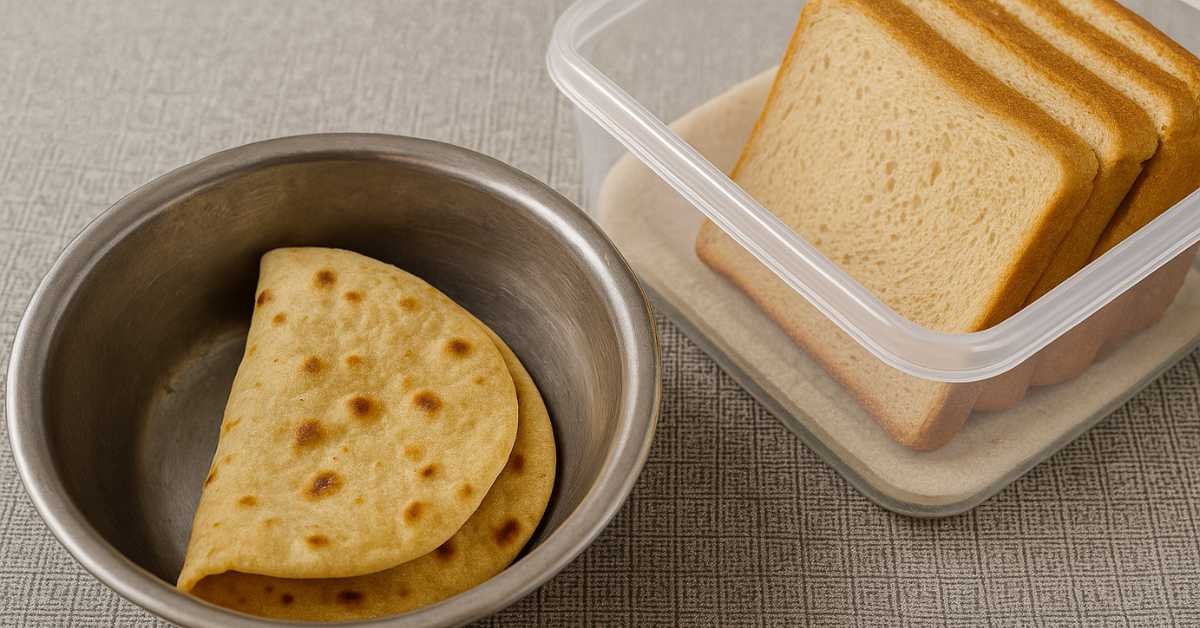
Some breads start losing their softness so quickly that even slicing them feels different the next day. And it’s not that the bread went “bad” — it’s just the natural staling process kicking in faster than it should.
But after dealing with this again and again, and trying random things (some worked, some failed badly), I finally figured out 6 simple moves that keep both homemade and store-bought bread soft for days without turning them soggy, rubbery, or weird.
These aren’t fancy tricks. They’re small corrections — the kind we usually ignore — but once you start doing them, your bread will stay soft, fluffy, and moist.
Let’s start.
1. I Always Block Air
Air is the biggest enemy of soft bread.
When bread is exposed to airflow, the moisture inside the crumb starts escaping, and that’s when you get that dry, stiff feel, even though the bread is only a day old.
What I personally do (and it works well):
Wrap bread twice — but lightly
Instead of tightly suffocating the loaf (which traps too much humidity), I wrap it in two soft layers:
- Layer 1: A clean cotton or muslin cloth
- Layer 2: A loose plastic or reusable silicone bag
This keeps moisture from escaping but also stops the bread from sweating, which prevents that unpleasant gummy top layer.
Why this matters
Bread dries out FAST when it’s exposed to open air, especially if your kitchen has:
- AC or heater running
- strong airflow from windows
- low humidity
Blocking that airflow is the number one reason my bread stays soft longer.
While you’re here, you might also like how I stop cut apples from browning.
2. Add a Tiny Moisture Guard (This is My Favorite Fix)
This one is underrated. Sometimes your bread is wrapped properly, but the surrounding environment is dry.
That’s when I add a small moisture guard — and it prevents dryness without making bread wet.
What you can use:
- A small piece of a damp (not wet!) paper towel placed outside the cloth layer
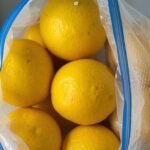
- A slice of apple, orange peel, or fresh celery inside the container
- A food-safe moisture sponge (used in bread boxes)
You should keep it near the bread, not touching the loaf.
This keeps humidity balanced so the bread doesn’t lose its softness.
A tiny humidity boost will keep bread soft for days longer — without affecting taste.
3. Store Bread at Room Temperature — not in the fridge
A lot of people put bread in the fridge, thinking it keeps things fresher.
But here’s what really happens:
The fridge temperature actually speeds up starch retrogradation, which basically means the bread becomes hard, dry, and stale even if it’s wrapped well.
When I Never Refrigerate Bread:
- White bread
- Whole wheat bread
- Brioche
- Burger buns
- Store-bought loaves
All of these stay softer at room temperature — as long as they’re protected from air.
When the fridge or freezer works:
- If you won’t finish the bread within 3–4 days
- If you live in an extremely hot or humid climate
- If it’s homemade sourdough with no preservatives
What I do for longer storage
Freeze slices individually, so I can just pull out only what I need.
Freezing does preserve softness — as long as you thaw it properly.
4. Slice from the Middle (My Odd Trick, but it works)
This is one move that changed how long my bread stays soft.
When you slice bread from the front or back, the cut area dries first.
But when you slice from the middle, then push both cut ends together, they seal each other and reduce airflow inside the loaf.
How I do it:
- Slice one thick piece from the center
- Remove that slice
- Push the two cut surfaces together
- Wrap as usual
This keeps the loaf interior soft for 2–3 days longer.
It sounds strange, but trust me, this trick works every single time.
5. Use the Right Container — Airtight but Breathable
Bread needs a balance:
- Too much air = dryness
- Too much moisture = gumminess + mold
I learned this the hard way with store-bought loaves that turned rubbery and homemade breads that dried out overnight.
Here’s what actually works:
Best containers to keep bread soft
- Bread box with small ventilation holes
- A large reusable silicone bag
- Cloth-wrapped loaf + loose plastic outer bag
- A deep airtight container with 1 corner slightly lifted
Avoid metal tins unless you line them with cotton (they accelerate moisture loss).
When I use a bread box
Whenever I bake bread without commercial preservatives — like sourdough, milk bread, or homemade whole wheat — a bread box with minimal airflow gives the best softness retention.
So
Always combine airflow control + moisture control — that’s how you keep bread soft without mold.
6. Reheat Bread the Right Way to Restore Softness (but prevent toughness)
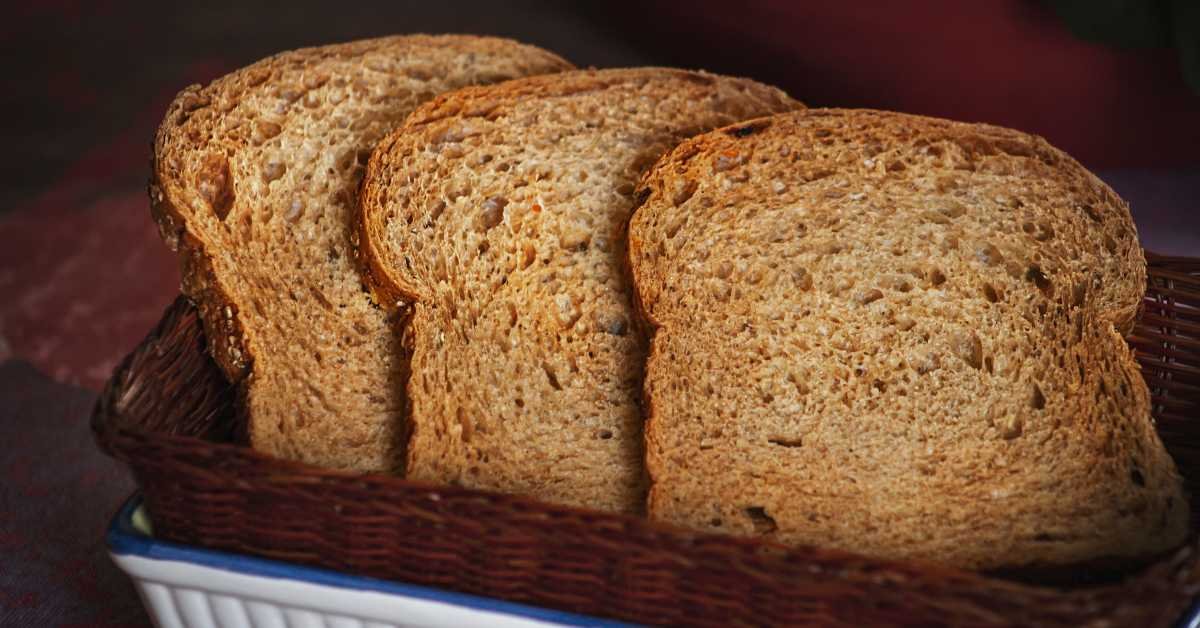
Sometimes the bread does get a little stiff after a few days.
Not extremely stale — just not soft enough.
That’s when reheating helps. But how you reheat it matters.
If you microwave plain bread, it gets hot and “soft” for 20 seconds and then immediately turns rock hard.
So I do it this way:
Best way to restore softness
- Sprinkle a FEW drops of water on top
- Wrap in parchment or a clean cloth
- Warm in microwave for 10–12 seconds, OR
- Heat in oven at 300°F for 3–5 minutes
This rehydrates the crumb properly instead of drying it further.
And if I want a soft-crust feel:
- I put the bread inside a covered bowl or plate in the microwave (steam chamber effect)
For toasted dishes
If I want to use old bread for garlic bread, grilled cheese, or French toast, slightly stale bread actually performs better.
(Just like how sometimes older berries work better for baking, which I explained in this post.
Extra Tips That Make a Big Difference
Avoid keeping bread near sunlight or heat
Bread loses moisture faster when it sits near:
- Stove
- Oven
- Sunny window
- Microwave top
- Warm shelf
Heat pulls moisture out of the loaf incredibly fast.
Don’t mix bread with fruits
Storing bread with fruits causes uneven moisture and speeds up mold.
Apples are okay as a moisture guard when used correctly, but they should never touch the bread directly.
Store-bought sliced bread needs less fuss
Packaged loaves already contain:
- Moisture retainers
- Dough conditioners
- Fats
- Preservatives
So you mainly just want to:
- Keep them sealed
- Squeeze air out of the bag
- Avoid refrigeration
But for homemade bread, you’ll need the cloth + bag combo for best softness.
Fat-rich breads stay soft longer
Breads like:
- brioche
- milk bread
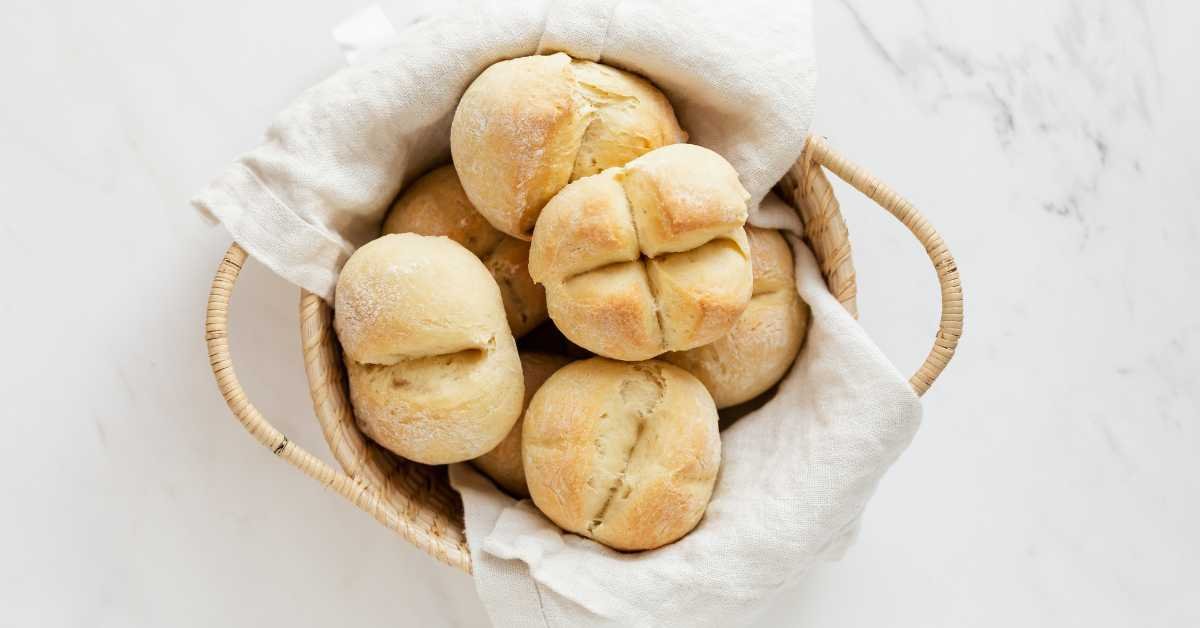
- dinner rolls
- enriched sandwich loaves
…naturally stay softer because of butter, oil, milk, or eggs.
Still, proper storage can add two extra days of softness easily.
Don’t slice too much ahead of time
Bread stays soft longest when it stays whole.
Slice only what you’re going to use for that meal.
Freeze in portions
I always freeze:
- 2–3 slices per pack
- Buns individually
- Rolls in small bundles
That way, I don’t thaw the whole batch every time.
Conclusion
Keeping bread soft for days isn’t complicated at all once you fix those few tiny habits that usually ruin the texture.
When you control airflow, give just enough moisture, wrap it the right way, and store it where the temperature doesn’t mess with the starch, your bread stays soft way longer than you expect.
I’ve been doing these small tweaks for a while now, and the difference is huge — no more dry sandwiches the next morning, no more tough dinner rolls, and no more buying new loaves because the old one turned into a brick.
Just soft, fluffy bread that’s still good after a few days.
So now whenever you get a loaf, homemade or store-bought, do these 6 fixes. It will save money, save effort, and save your bread from going stiff for no reason.
FAQs
Why does homemade bread turn hard faster than store-bought bread?
Homemade bread usually doesn’t have commercial preservatives, emulsifiers, or moisture retainers.
That means the moisture escapes quickly, especially if the loaf is sliced early or left in the open air.
If you wrap it in a cloth first, then place it in a loose plastic or silicone bag, it will stay soft for much longer without getting soggy.
Is it Possible to keep bread soft without a bread box?
Yes, you can do that. A bread box is just one option — not a requirement.
You can use a cloth wrap + plastic bag combo, a deep airtight container with a corner slightly lifted, or even a silicone bag.
What really matters is balancing airflow + humidity, not the container type.
How do I keep bread soft after slicing it?
Either slice only what you’ll eat, or slice from the middle and push the ends together so the loaf seals itself.
Then wrap it properly and keep it at room temperature.
Bread starts drying mainly from the cut surfaces, so how you slice — and how you protect those slices — makes a big difference.
I’m a self-taught home cook who turns everyday ingredients into comforting, café-style recipes. I test everything in my own kitchen (sometimes more than once), tweak flavors how I like them, and share only what I actually enjoy.
Most of my recipes are chocolate-based or have a creative twist, and I keep them preservative-free, beginner-friendly, and fun to make.
If you love cozy drinks, healthier desserts, or bold flavor combos — you’re in the right place. [Read full story]